

At the right pin but no creature?
A map position can identify an encounter area without explaining how to reach or activate it. Check the exact form, weather and vertical level before deciding the pin is wrong. The Grizbo cave entrance is a concrete example: an underground target needs access through a blocked opening.
- 1Match the form and conditions
Read the form label and any documented weather or time requirement. A nearby ordinary form can appear under different conditions.
- 2Check above and below
Look for a ledge, cave mouth or supported ascent route. A two-dimensional pin does not identify the correct height by itself.
- 3Look for a documented interaction
Use the named traversal skill or puzzle action when a route identifies one. Do not assume every rock, snowball or helmet activates a creature.
- 4Confirm the result
Check the spawned creature and form before spending rare capture resources. If the evidence only covers an older beta, keep the current spawn requirement unresolved.
How regional forms work
A species is one named Aniilog entry, such as Iris. A form is a variant of that species: Basic Form Iris and Highland Form Iris are both Iris. An evolution line is the family of species connected by evolution, such as Iris evolving into Irisal. The evolution families guide shows those relationships.
Forms can be associated with a region, weather, time of day or a special acquisition route. Each has its own appearance and description, and can have different elements and habitats. Check the exact form’s record before deciding where or how to obtain it. A form is only one of the layers the word rare covers in Aniimo, and the rare Aniimo variants glossary separates it from the Sparkling mutation, the Umbral state, Alpha encounters and Innate Potential.
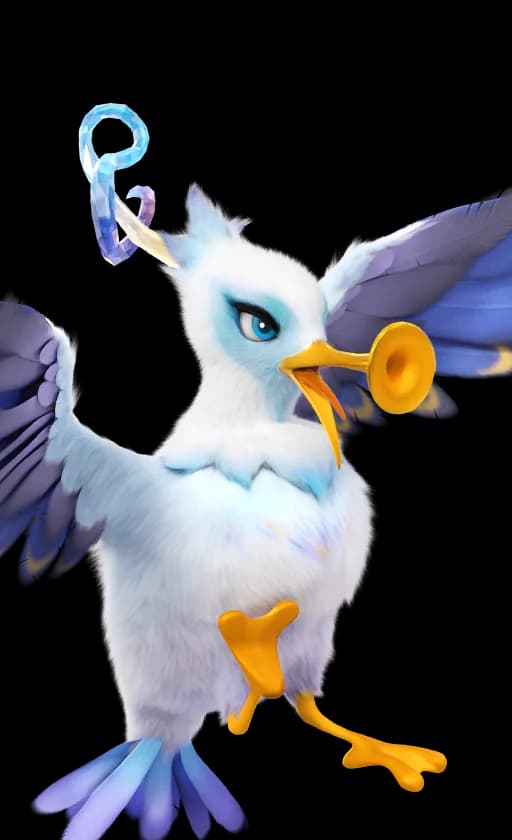
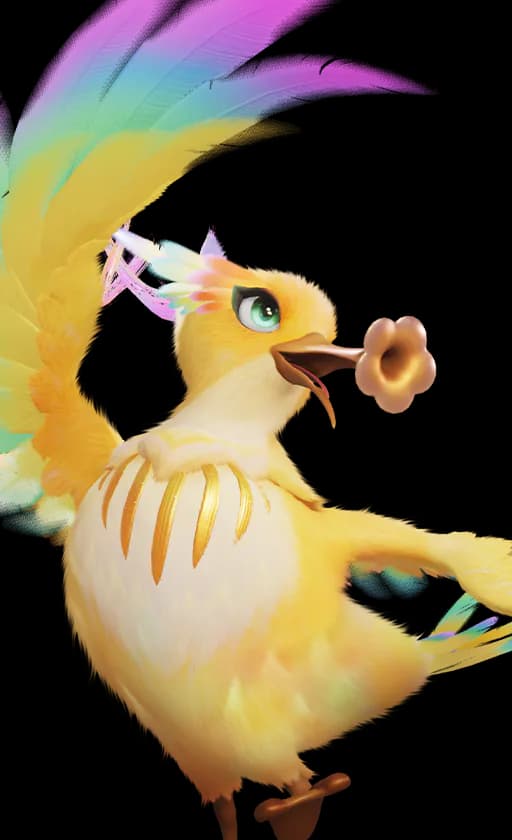
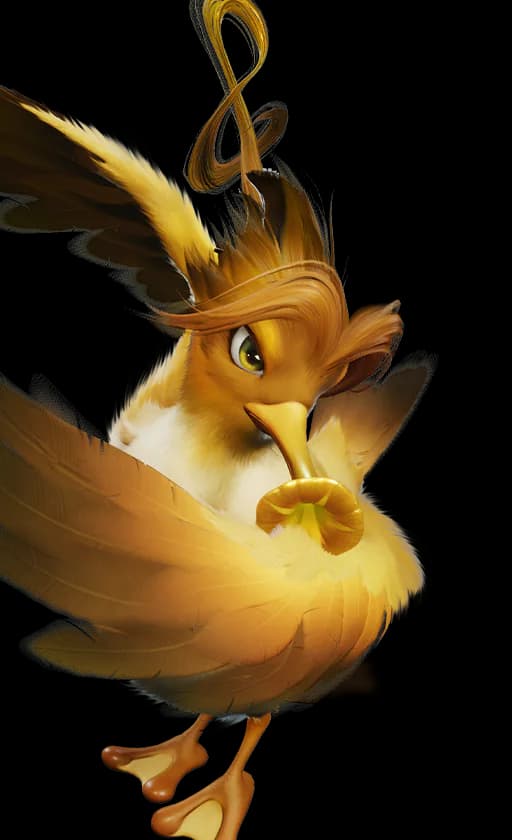
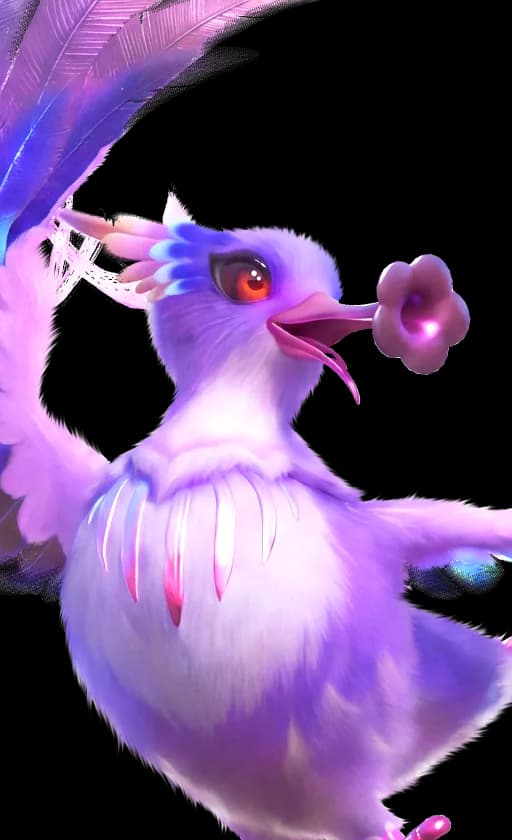
Browse the Aniilog to compare each form’s elements, appearance and requirements, or open its 3D model for a closer look.
Form changes have a separate set of rules: the target must already be caught, belong to the same form family, differ from the current form and have a configured cost. Use the evolution and form-change catalog for exact targets. Morph Orb and Prismana Orb now list their configured targets on their item pages.


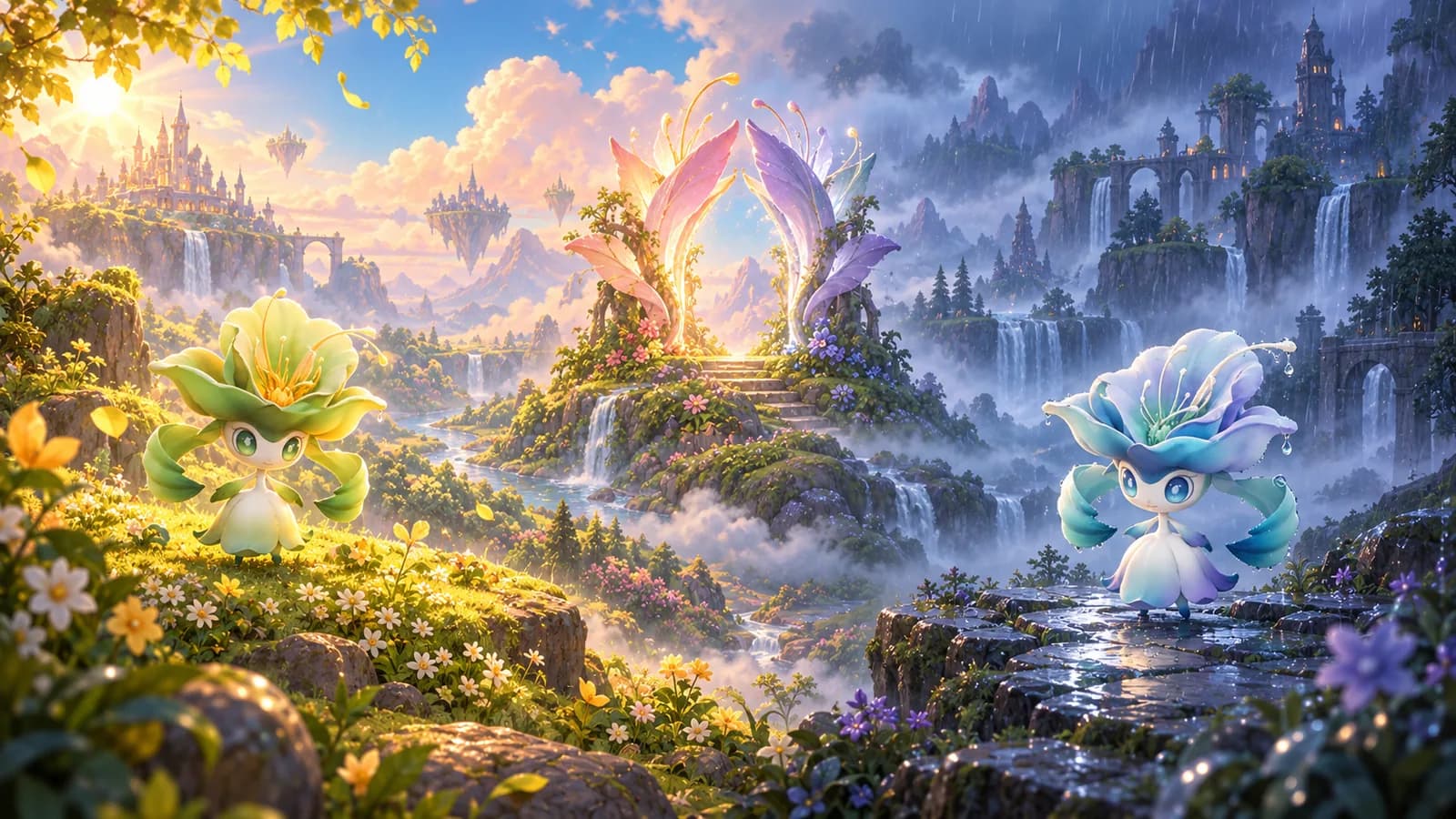
Aniimo inhabit many different regions. You can move between them using Blooms. What’s more, even identical types of Aniimo may come in different forms, so be sure to pay close attention.
The 20 alternate form types
Compare 20 alternate form types alongside Basic Form. The 225 forms below include 74 Basic forms and 151 alternatives. Browse the Aniilog for more forms and their individual requirements.


Prismana Form
- 35
- forms
A rare morphology associated with Prismana systems. Acquisition rules can change by season. Prismana guide

Highland Form
- 15
- forms
A regional form. Check the exact species and habitat for any additional conditions.

Timberline Form
- 12
- forms
A regional form associated with wooded mountain habitats.

Umbrabow Form
- 12
- forms
Check each form’s acquisition details before planning a hunt. Umbral and Prismana guide

Snowfield Form
- 11
- forms
A named morphology, not proof that active snowfall is required. Check its spawn conditions separately. Snowfield and snow explained
Flowerfield Form
- 9
- forms
A regional morphology. Open the species page for the exact form’s habitats.
Nighttime Form
- 9
- forms
A time-of-day morphology. Night is a separate condition from rain or thunderstorms, and some evolved forms require an evolution route. Nighttime forms and locations

Rainfall Form
- 8
- forms
A rain-associated morphology. Use the exact form’s spawn conditions when planning a hunt. Rain spawns
Beach Form
- 6
- forms
A coastal morphology. Read its exact habitat or evolution route.
Forest Form
- 6
- forms
A forest-associated morphology with its own appearance and form record.
Mountain Form
- 6
- forms
A distinct morphology from Highland Form and Timberline Form. Check its own habitat or evolution requirements.

Plateau Form
- 4
- forms
A separate morphology from Highland Form. Use the exact form name when searching.
Tempest Form
- 3
- forms
Open the species page for this form’s habitats and elements.

Thunderstorm Form
- 3
- forms
A storm-associated morphology. Check the exact form’s thunderstorm spawn conditions. Thunderstorm spawns
Bay Form
- 2
- forms
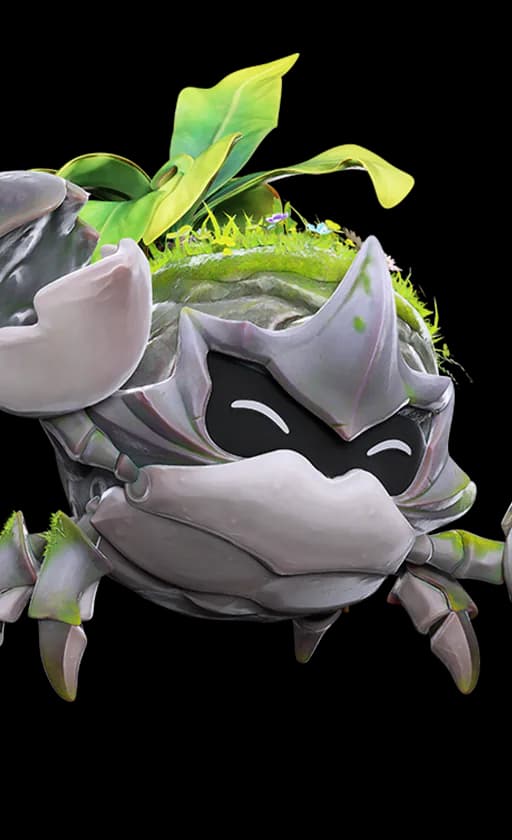
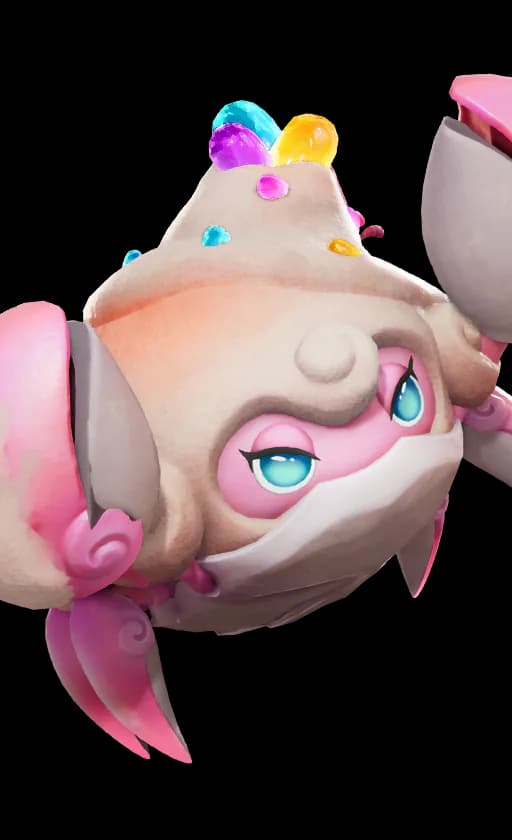
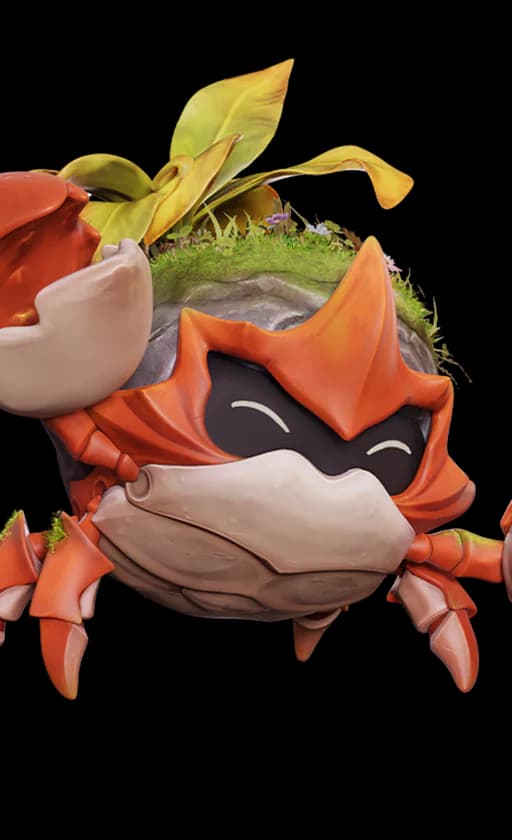
A separate morphology of Budclaw and Shrubclaw. Use its own habitat or evolution route.
Cloudmist Form
- 2
- forms
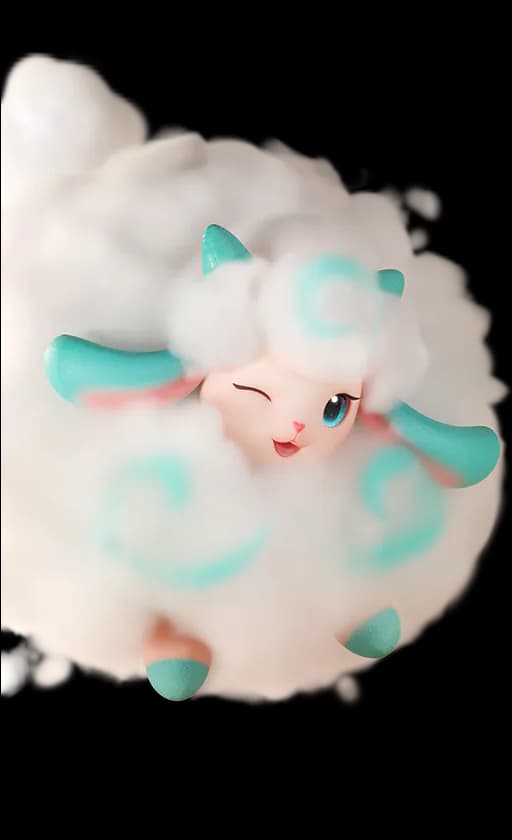
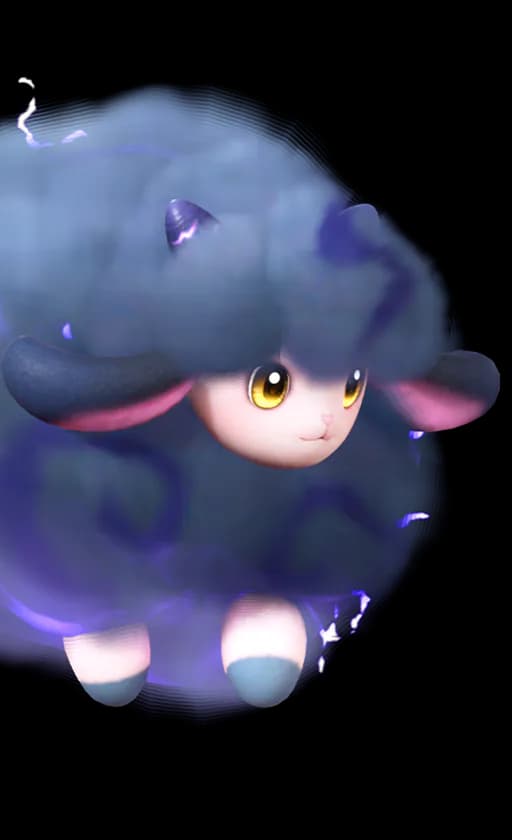
A named form of Nimbi and Turbo. Check each species page for its habitat and typing.
Grassland Form
- 2
- forms
A grassland-associated morphology of Iris and Irisal.
Mudflat Form
- 2
- forms
A morphology of Budclaw and Shrubclaw, distinct from their Beach and Bay forms.
Towerwood Form
- 2
- forms
A morphology of Budsquire and Thornblade, listed separately from their Basic forms.
Waterfall Form
- 2
- forms
Open the species page for this form’s habitats and elements.
0 shifts versus 4
The roster’s two extremes sit at the top of the form count. One species proves that more forms does not automatically mean more risk; the other is the exact reason the danger callout above exists.
7 forms, one element
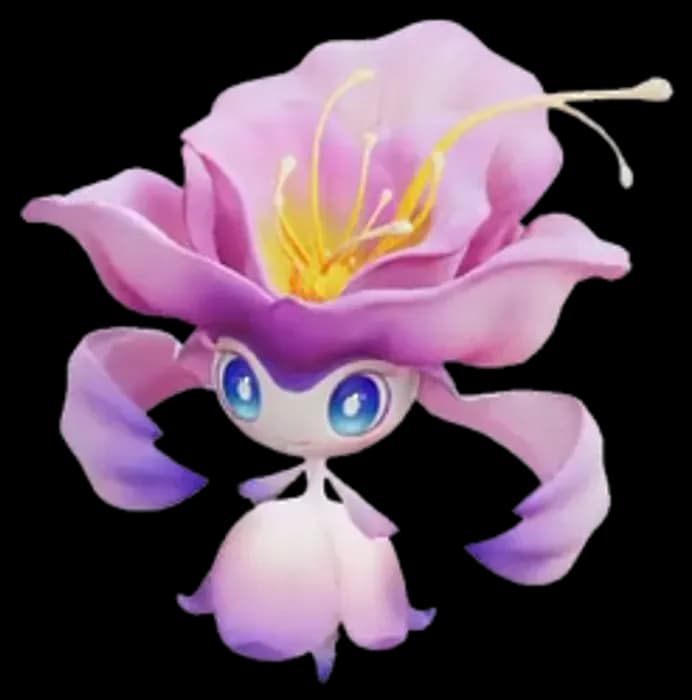
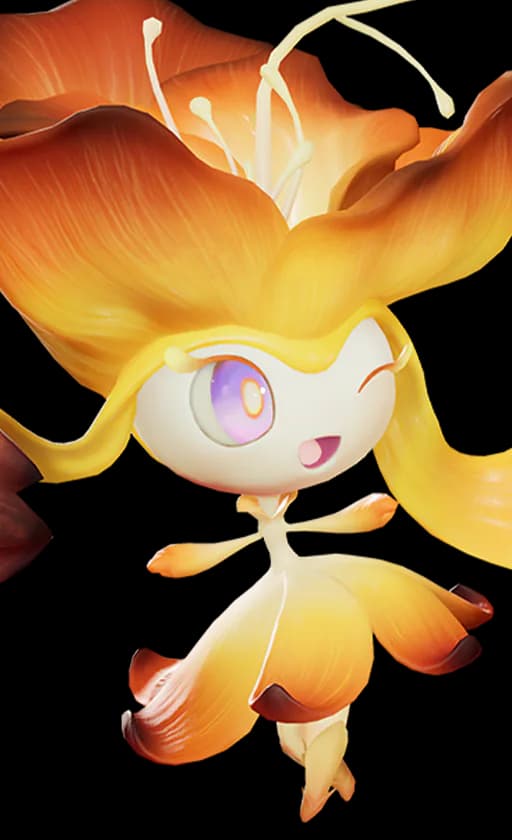
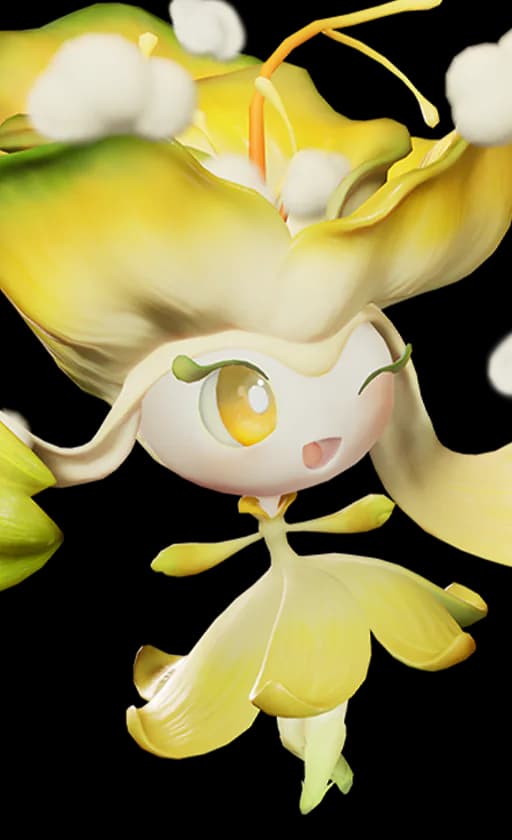
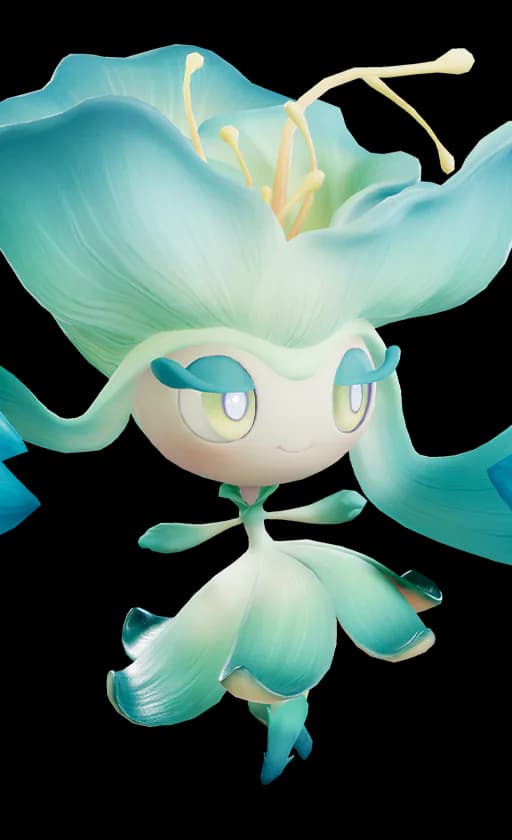
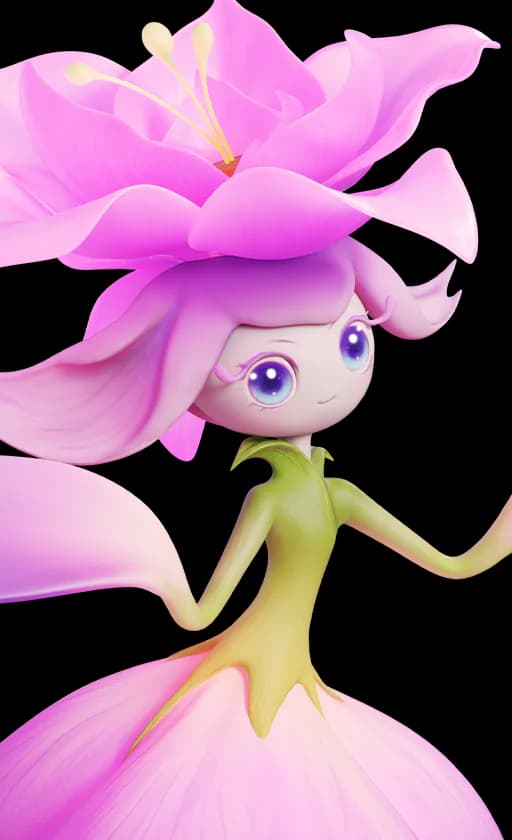
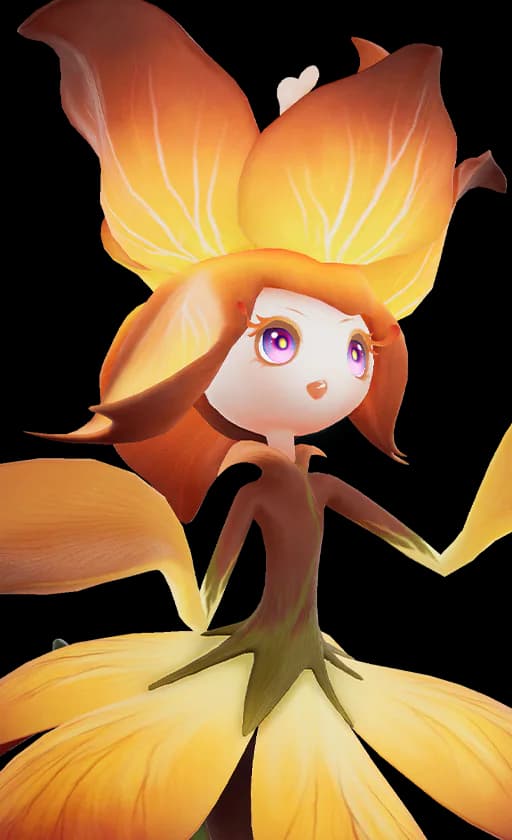
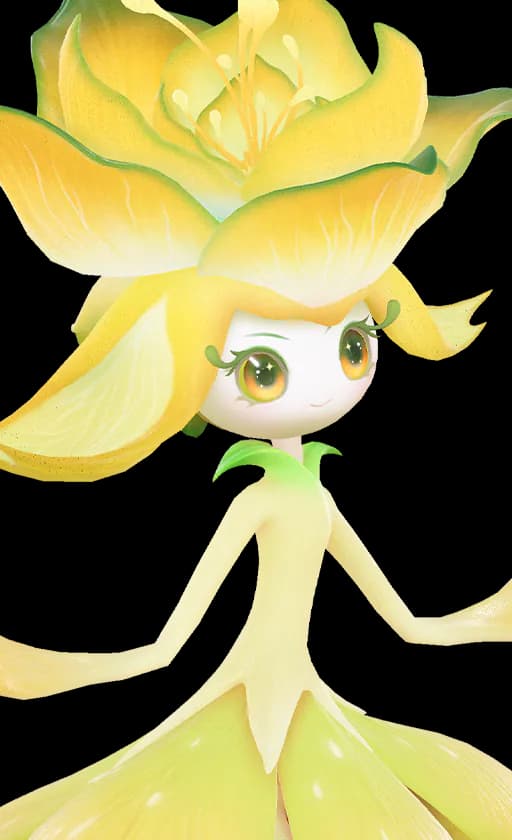
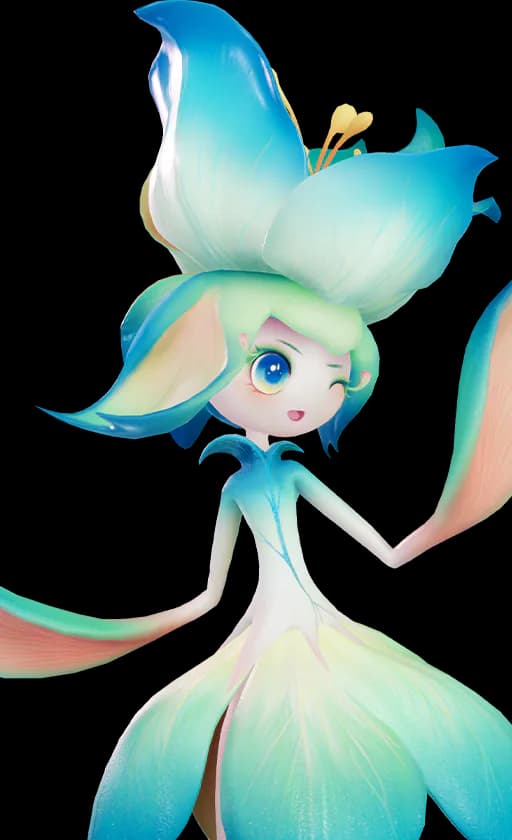
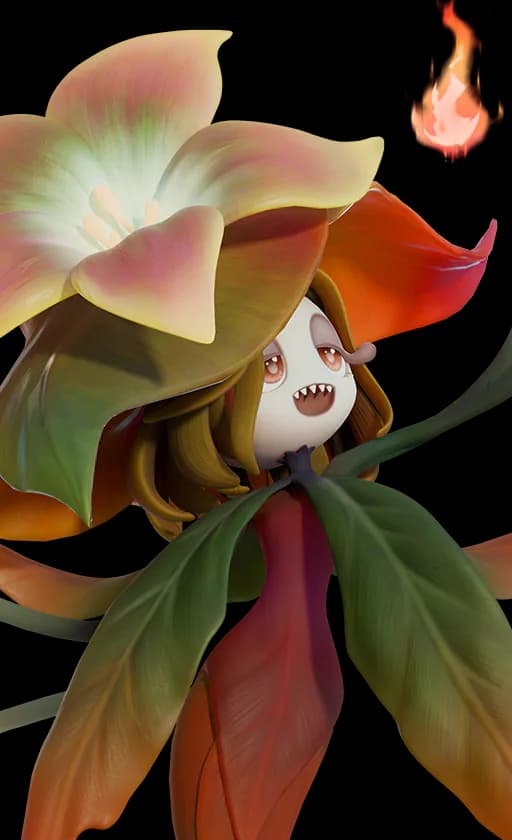
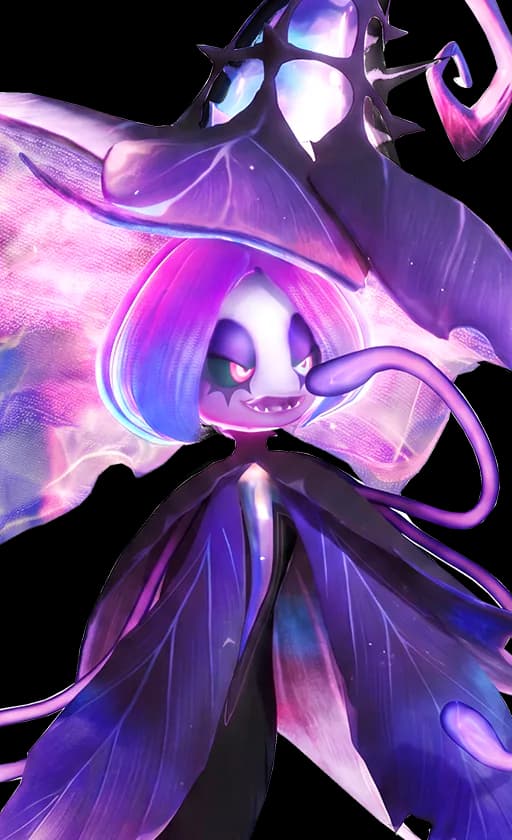
Iris and Irisal carry the most forms of any species in the catalogue, seven each, and neither one ever shifts element. Every form you catch is Grass, wherever you catch it.
6 forms, 4 shifts
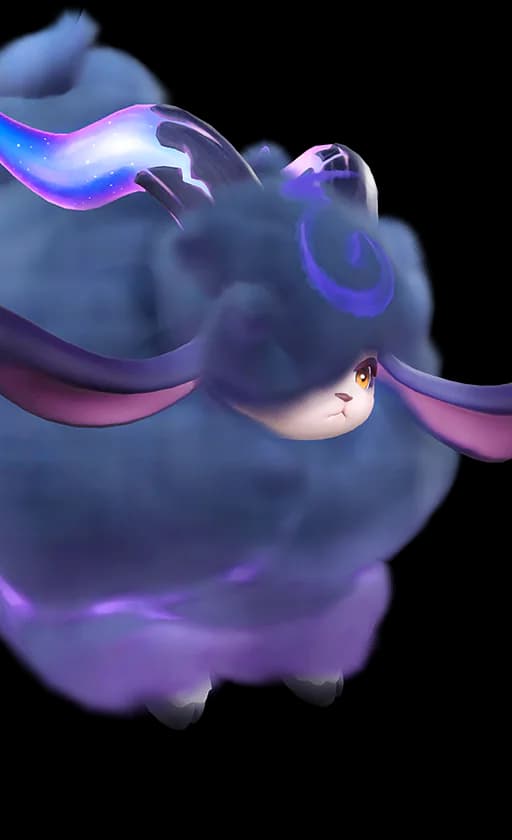
Turbo is the opposite case: 4 of its 6 listed forms differ in element from Basic Form. This comparison includes its retained Umbrabow record; each current form still needs its own matchup check.

- 20
- No shift
- 30
- 1 shift
- 13
- 2 shifts





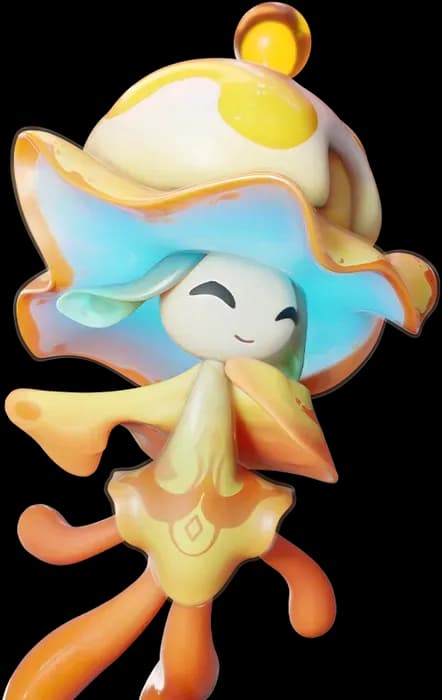

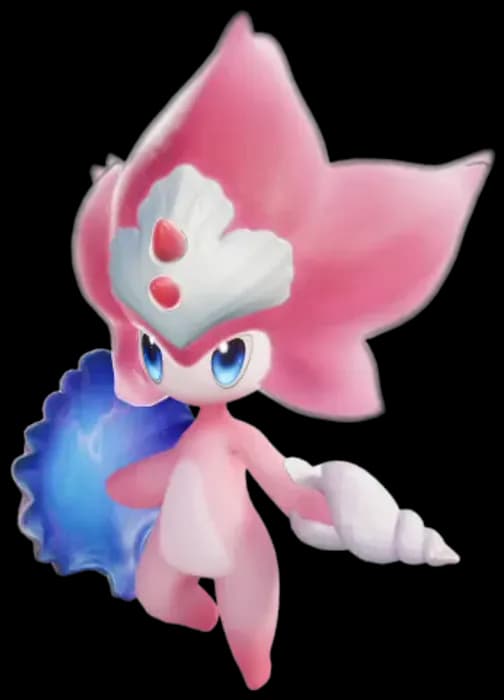

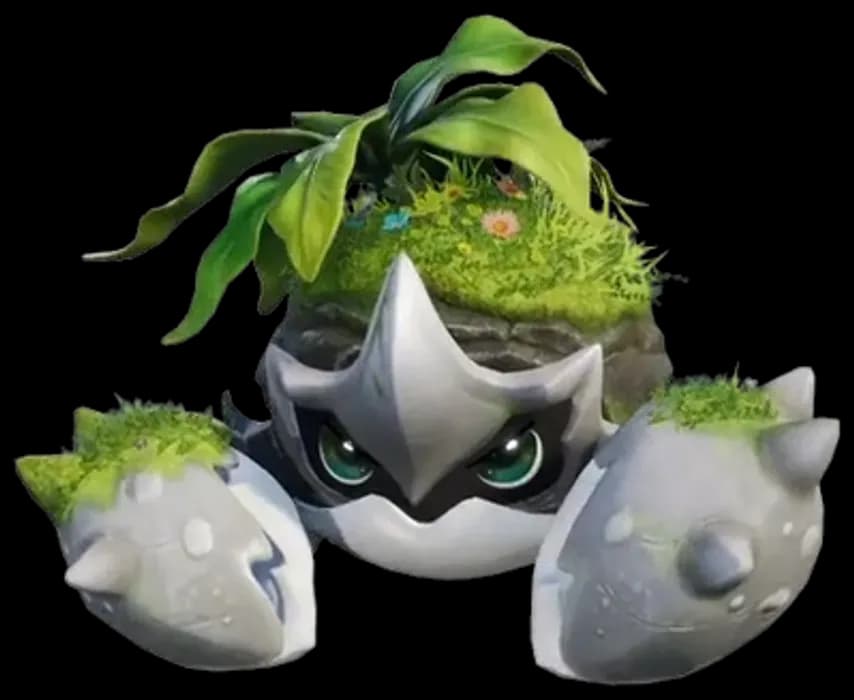
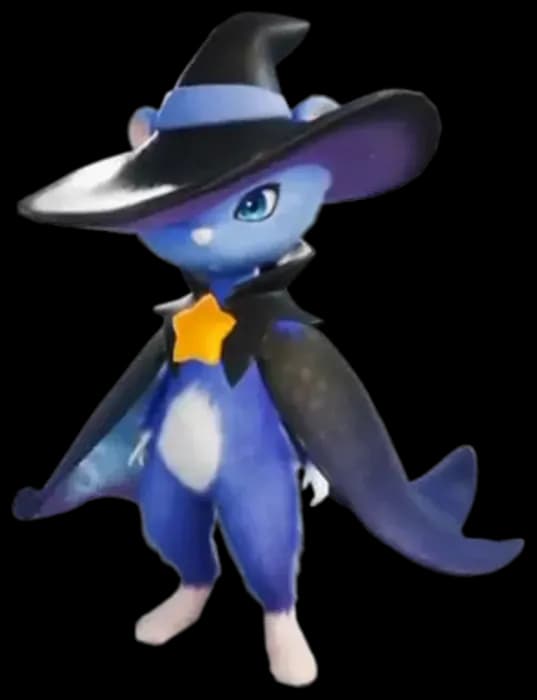


Every multi-form species
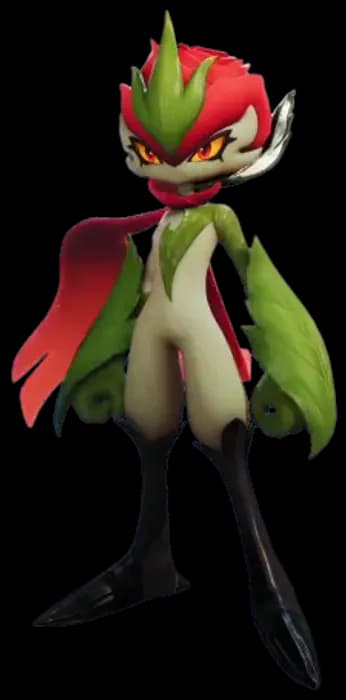
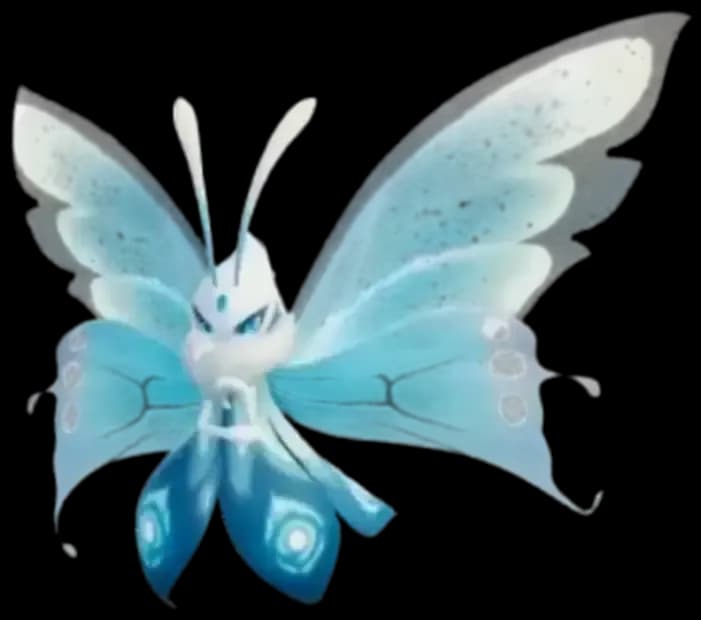
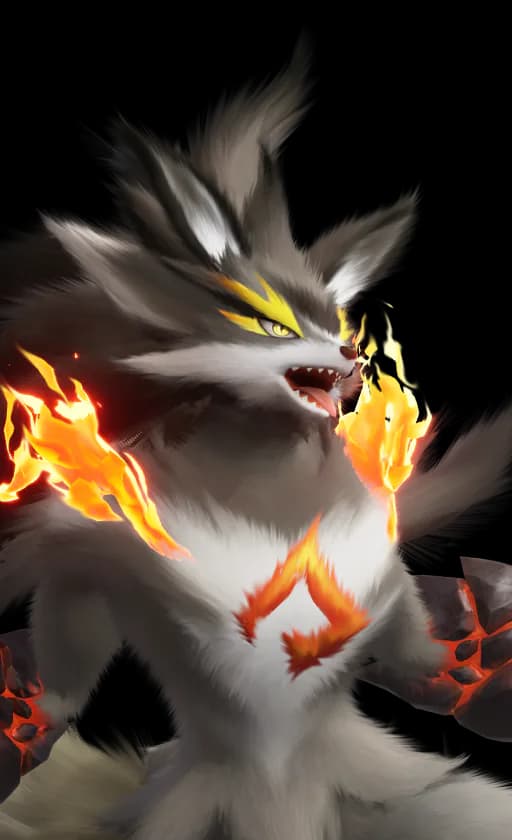
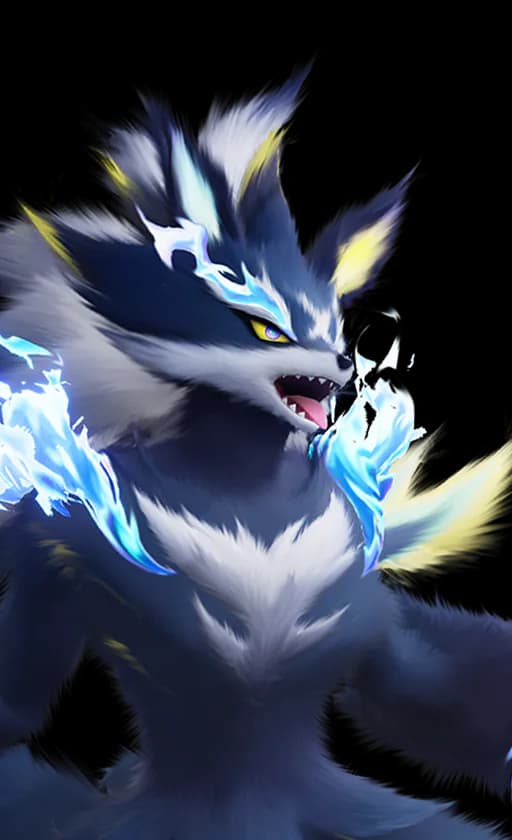
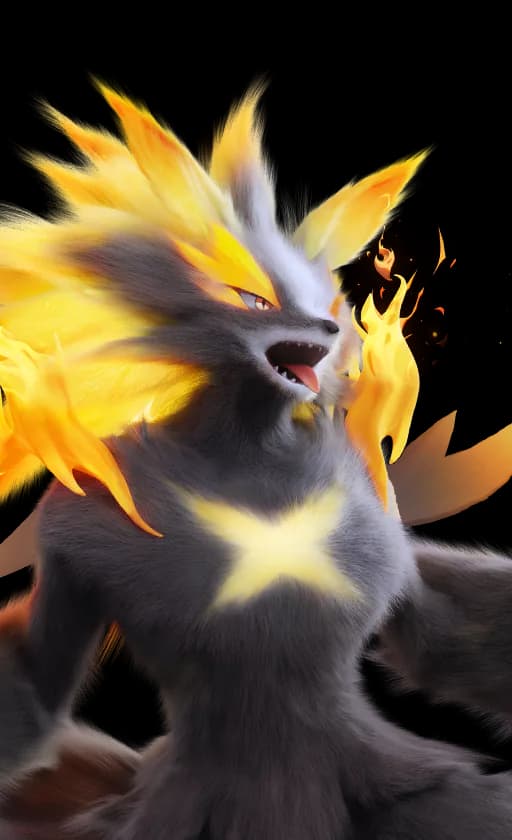
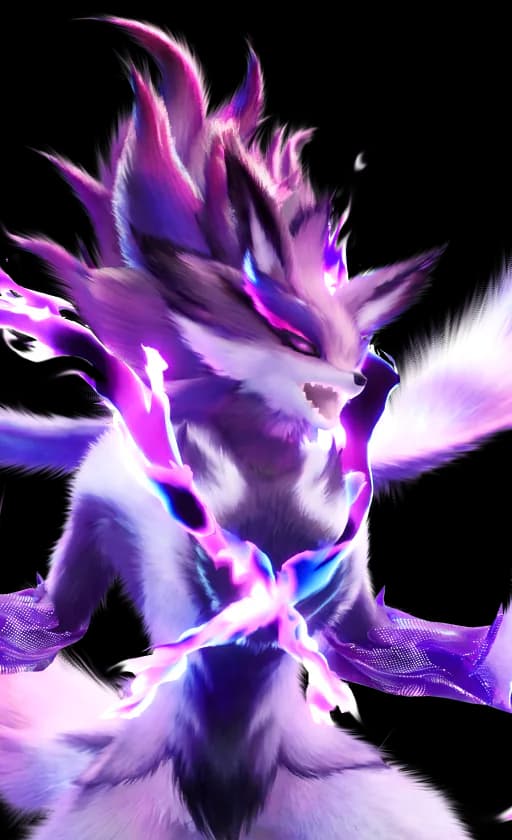
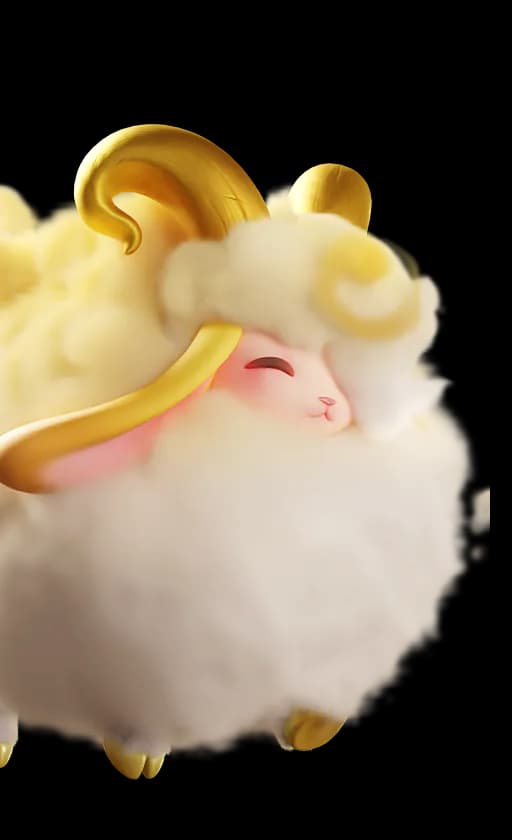
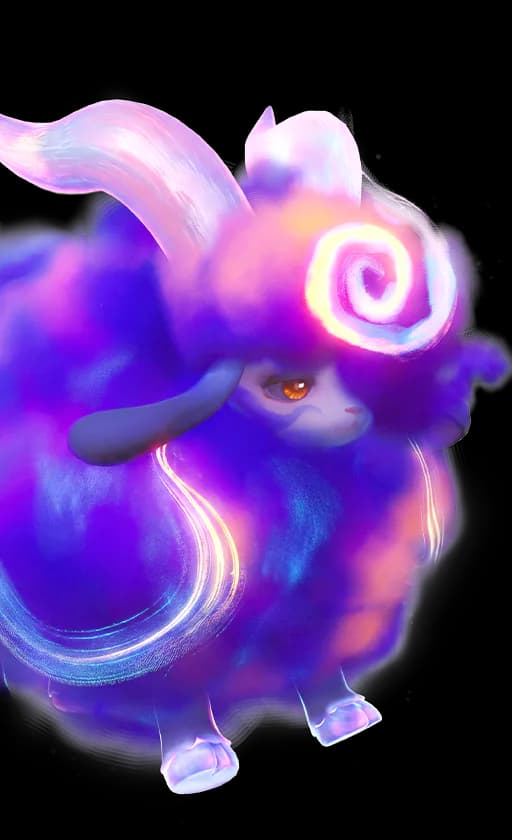
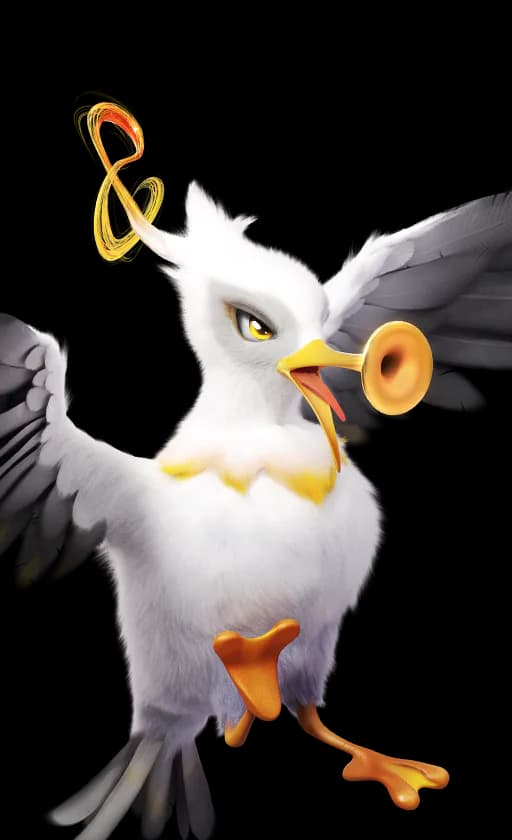
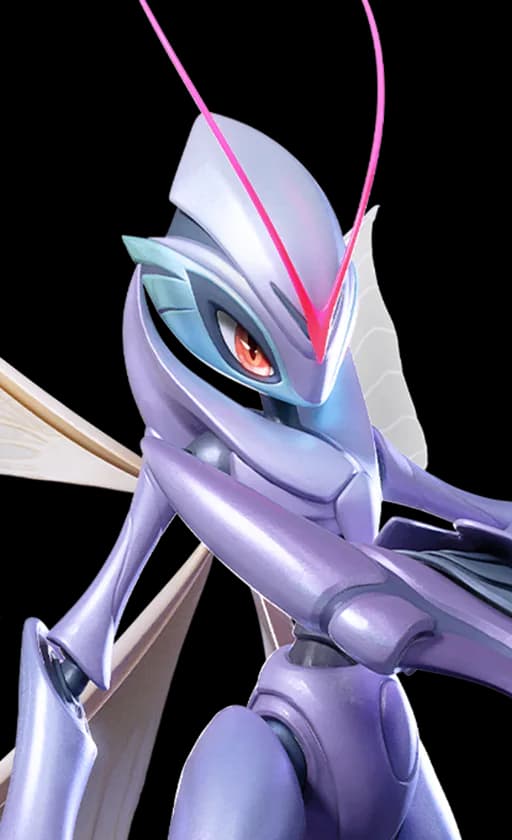
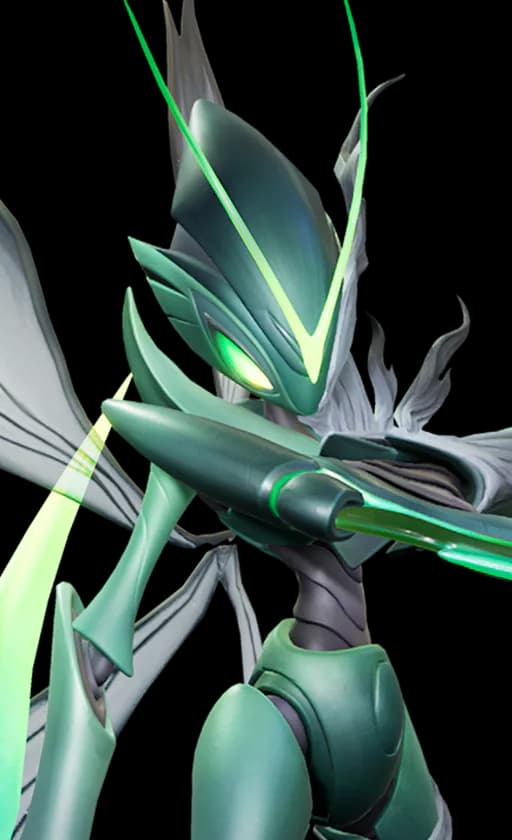
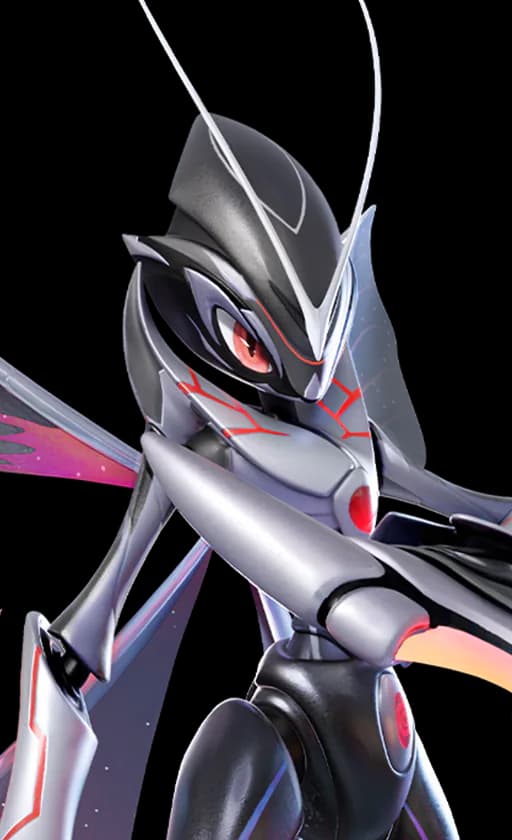
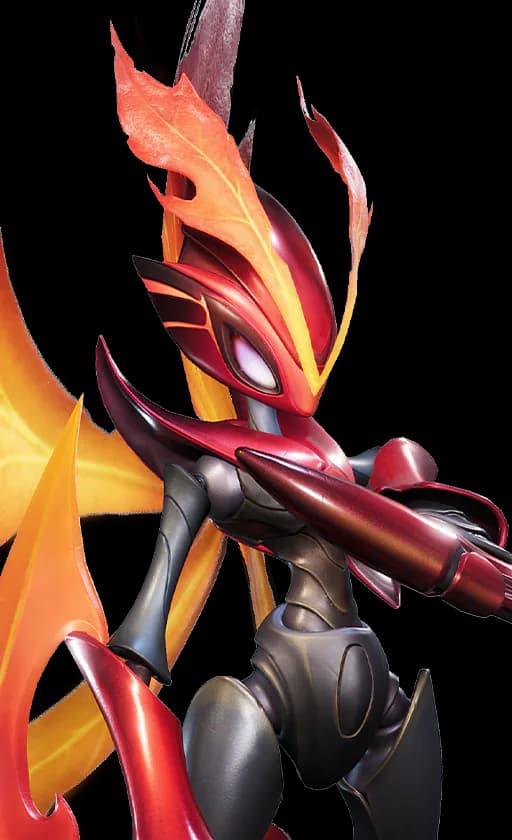
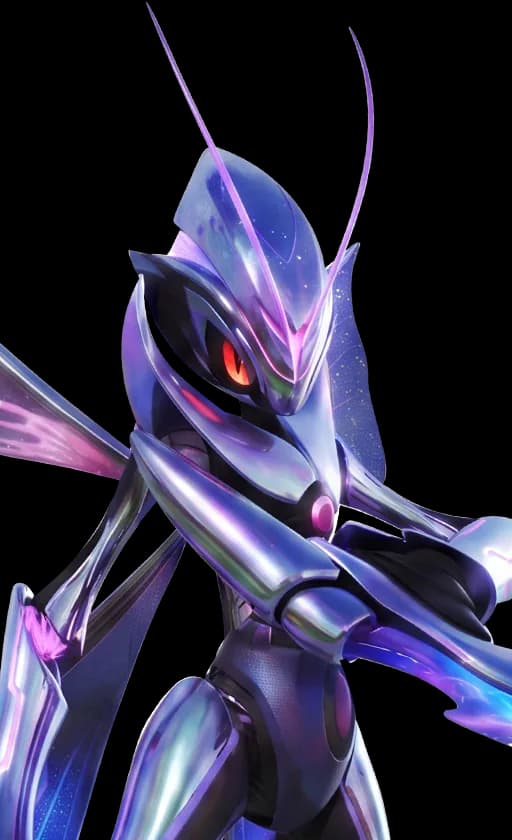
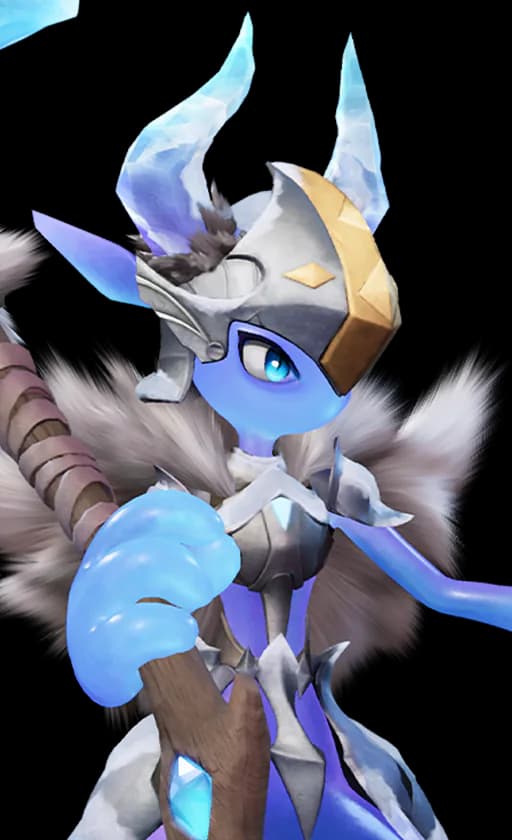
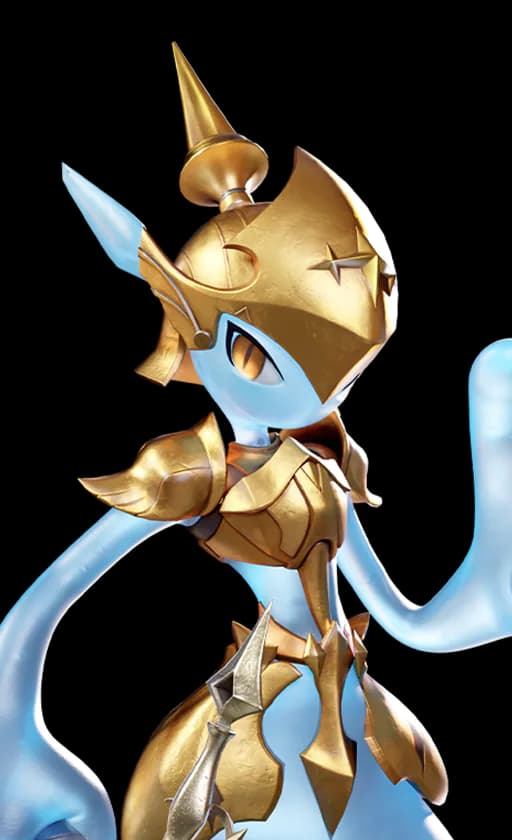
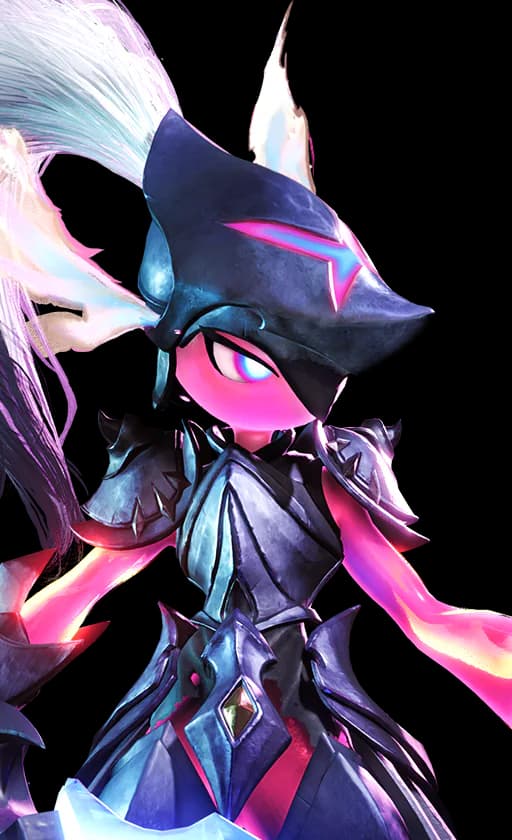
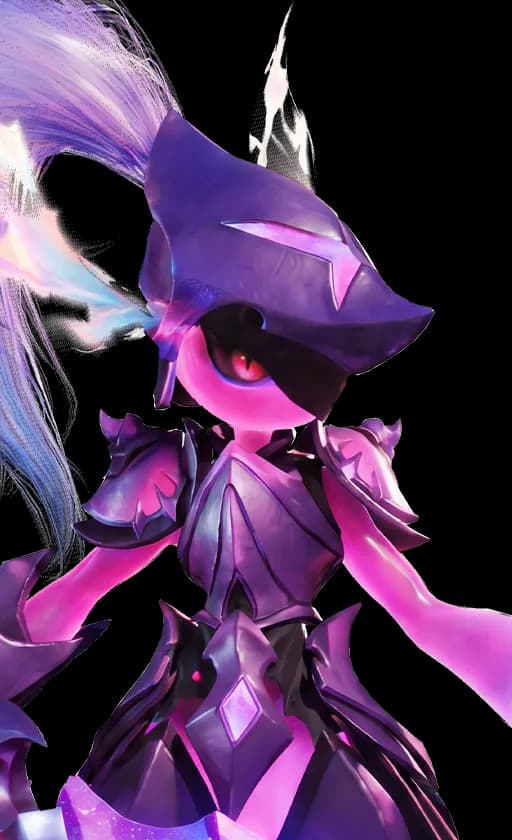
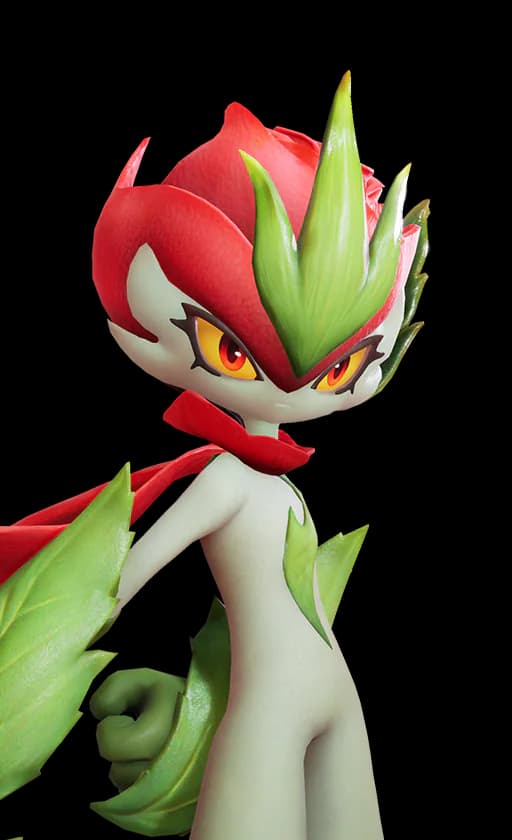
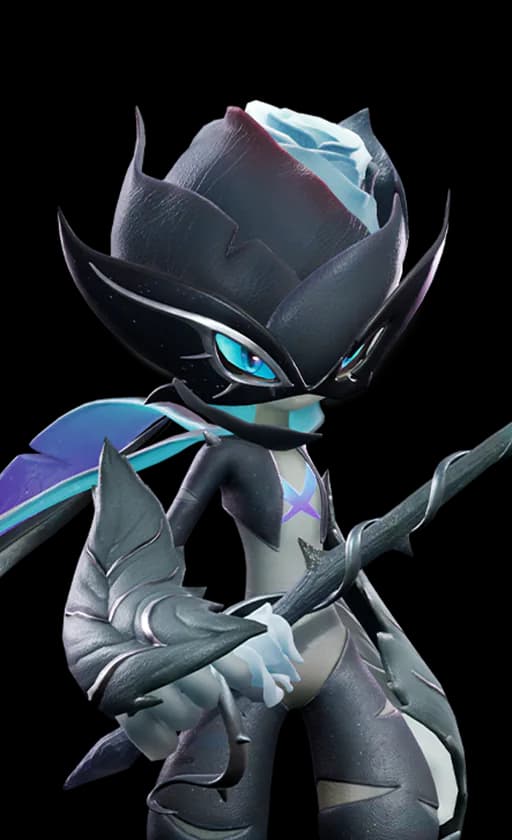
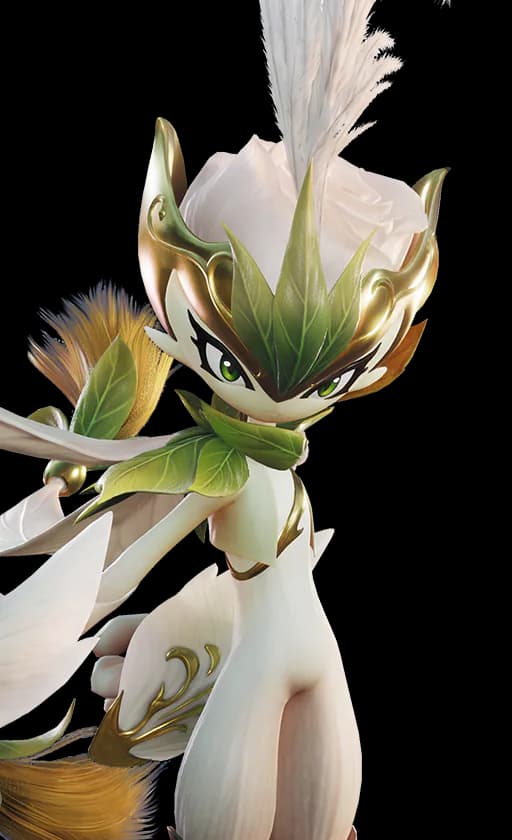
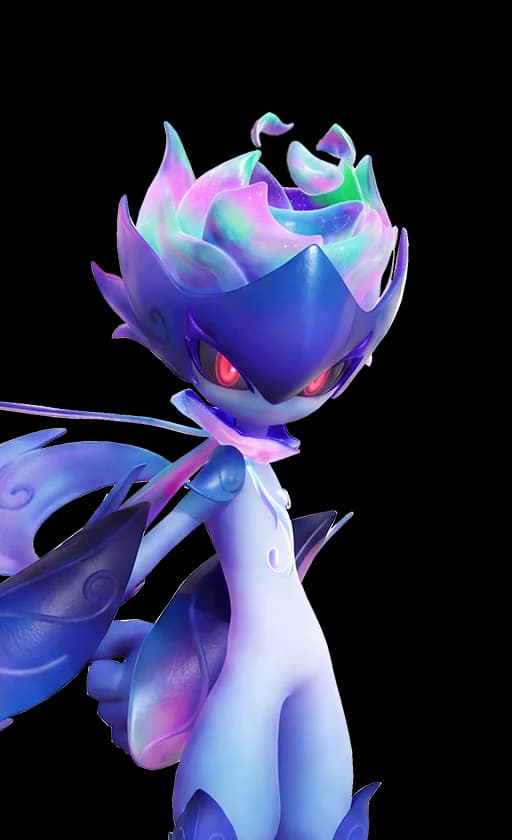
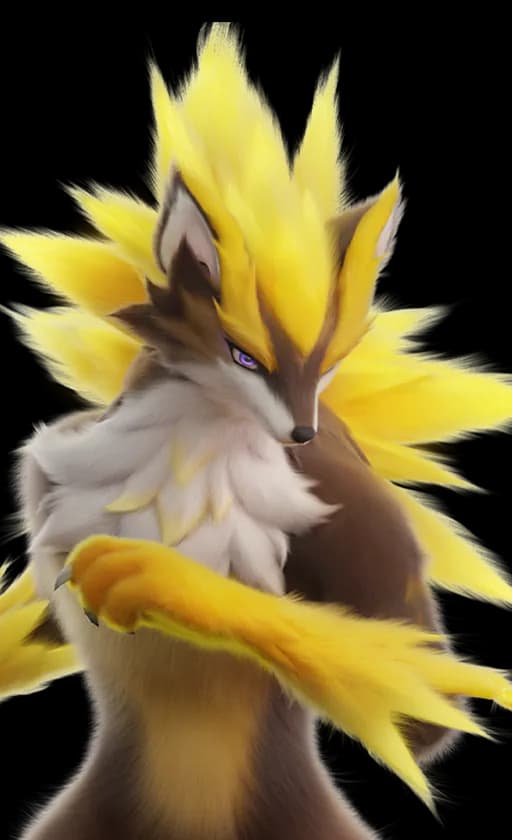
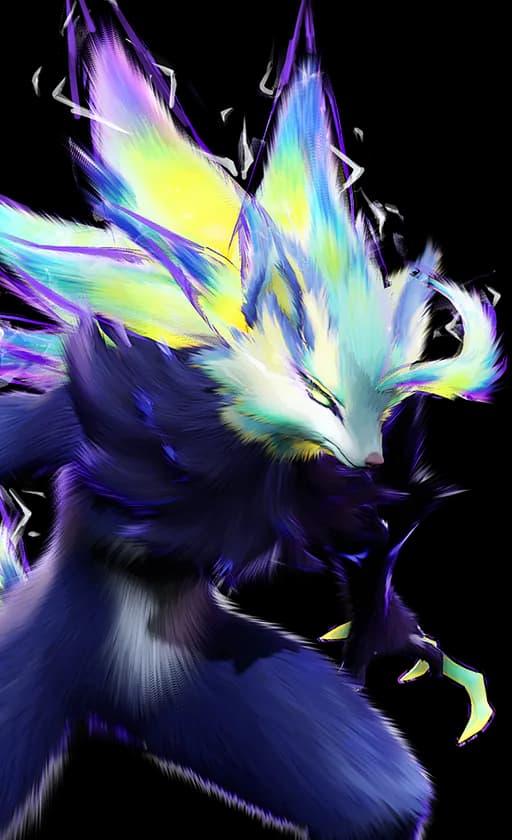
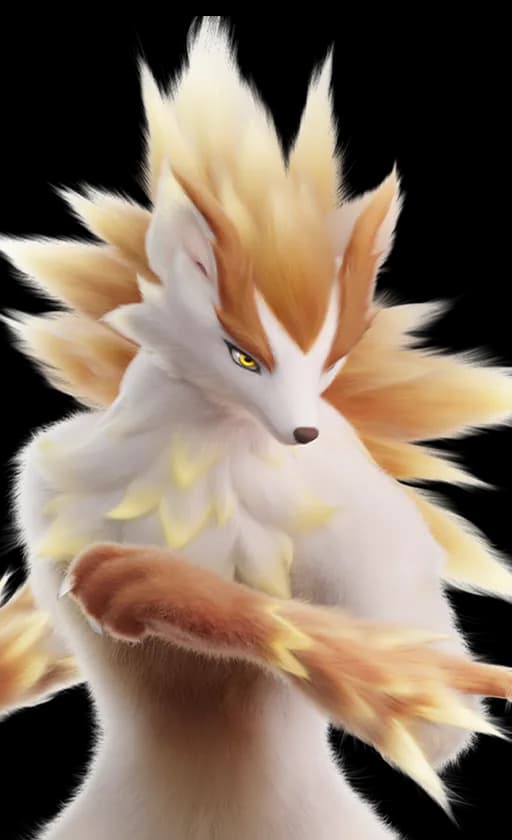
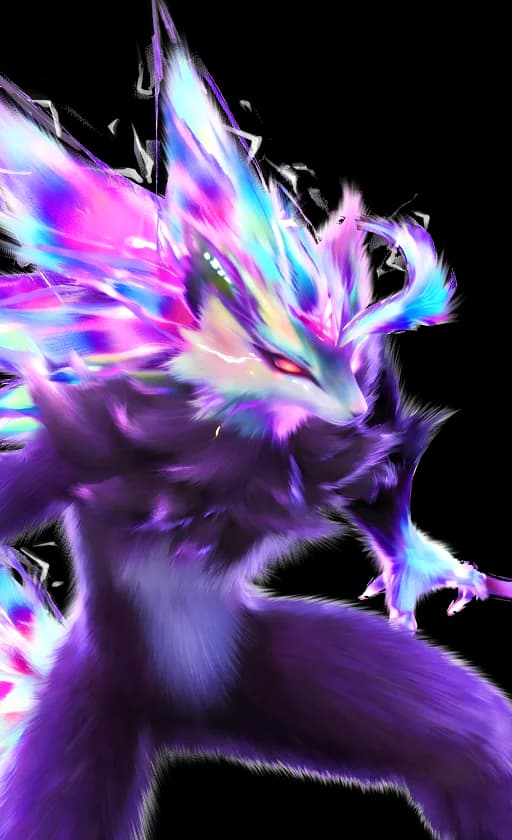
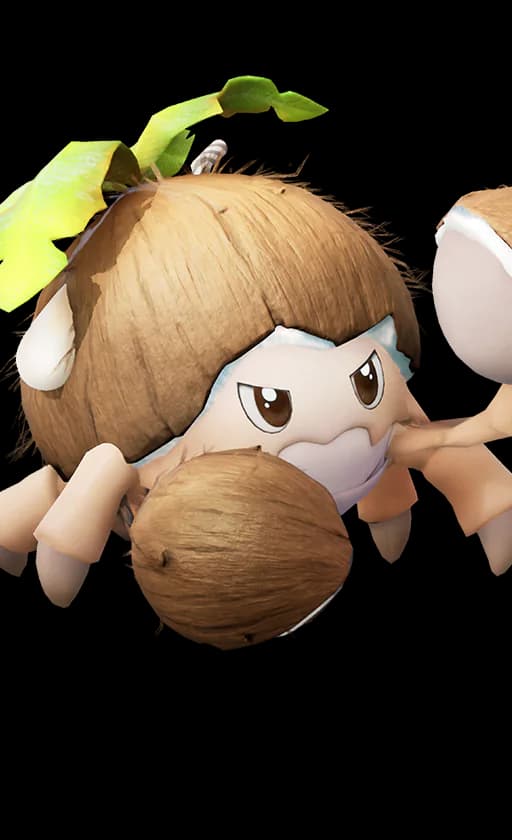
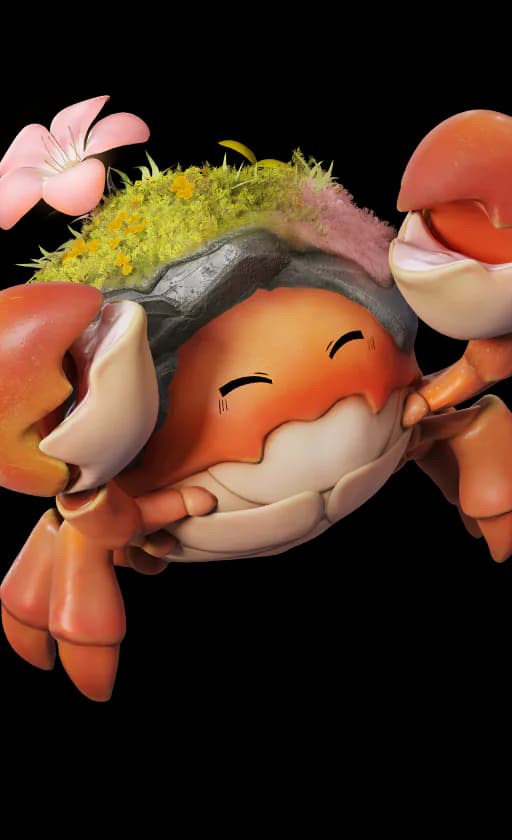
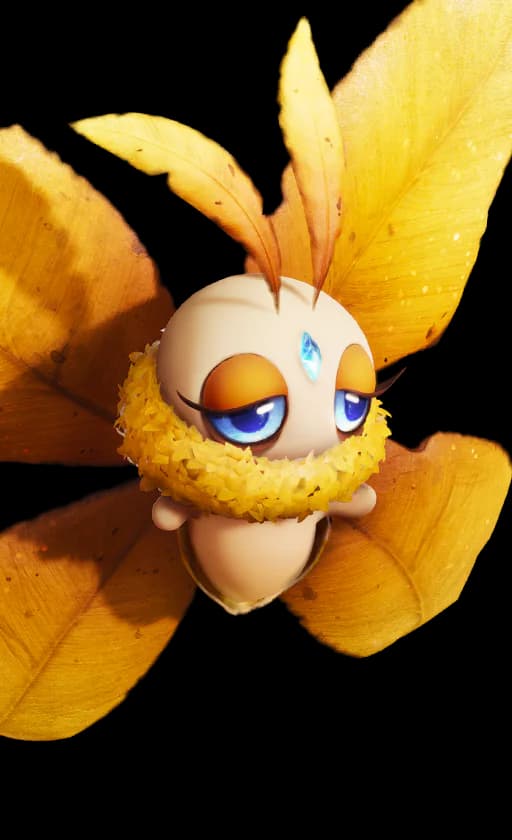
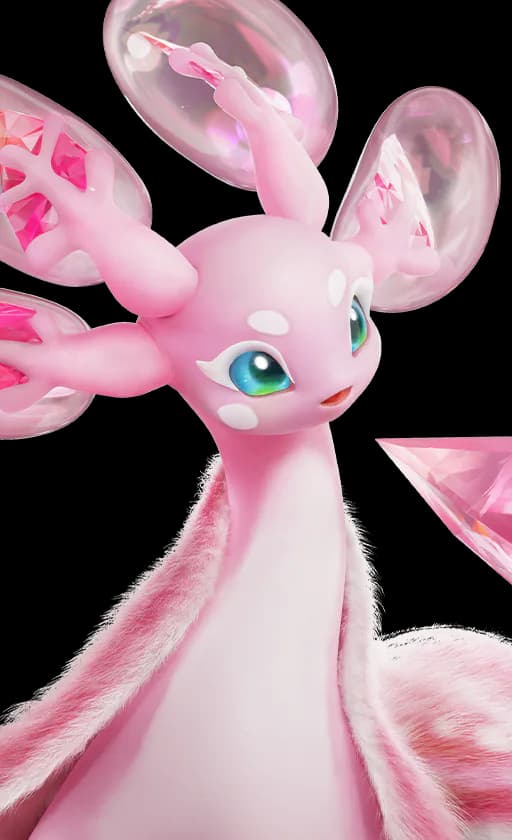
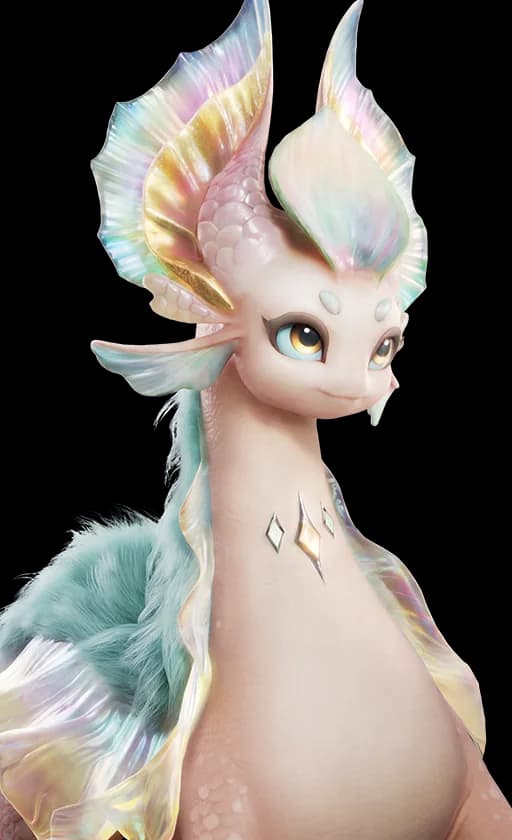
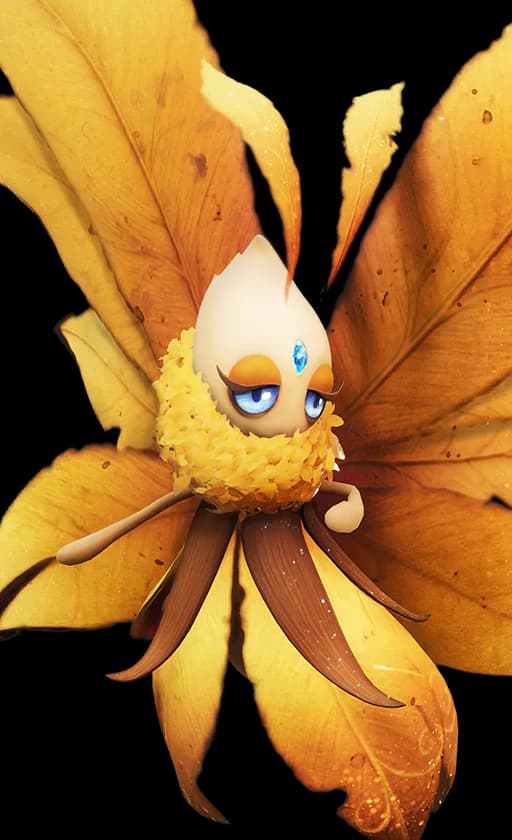
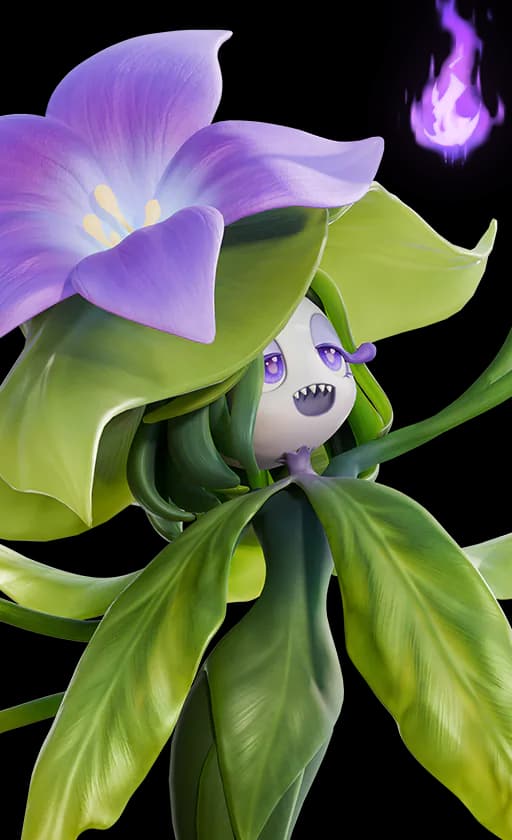
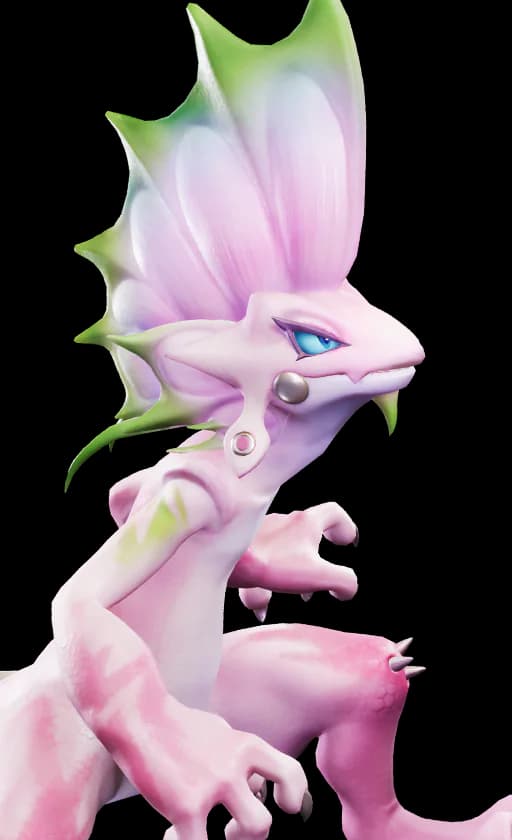
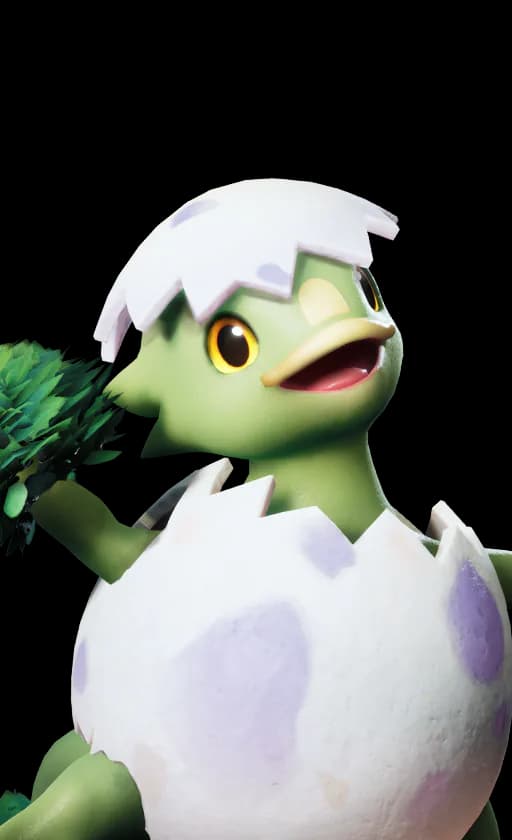
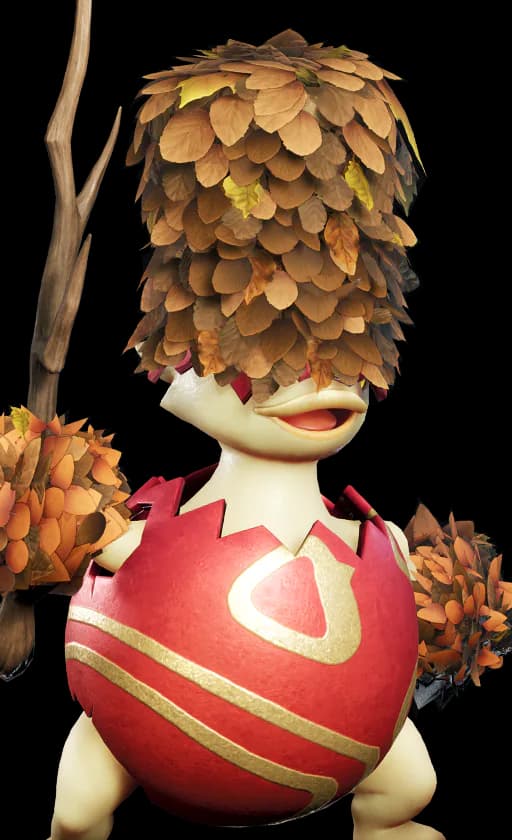
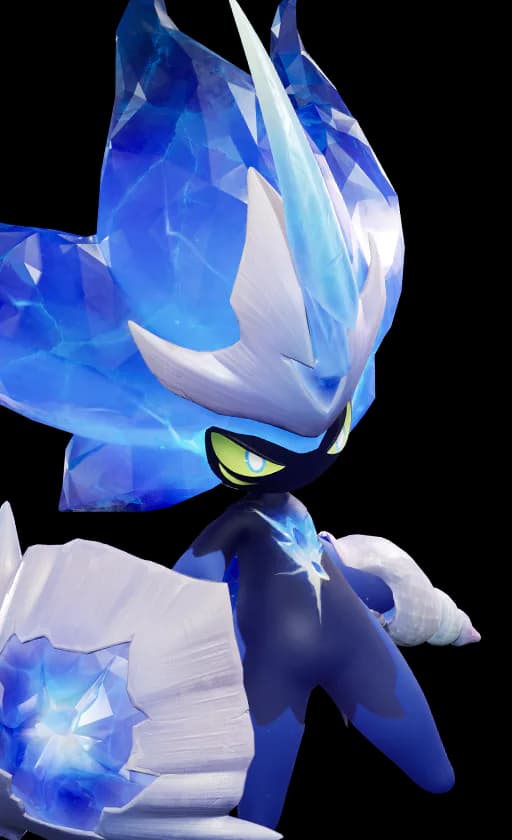
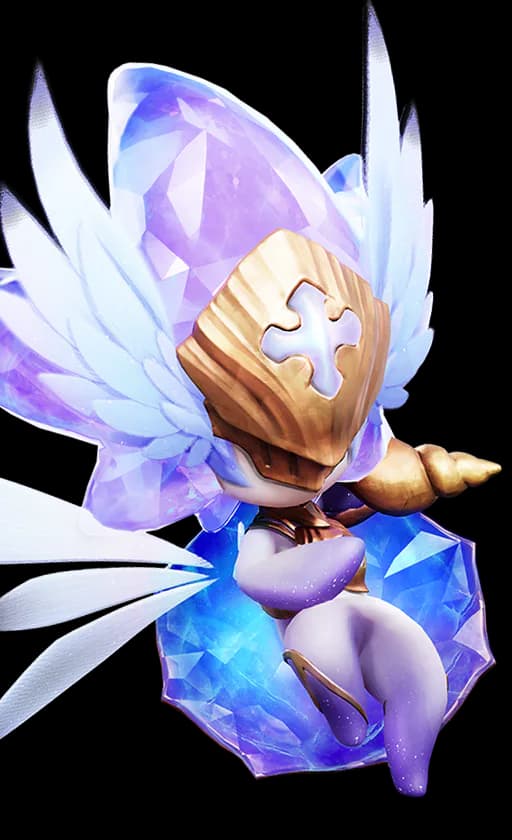
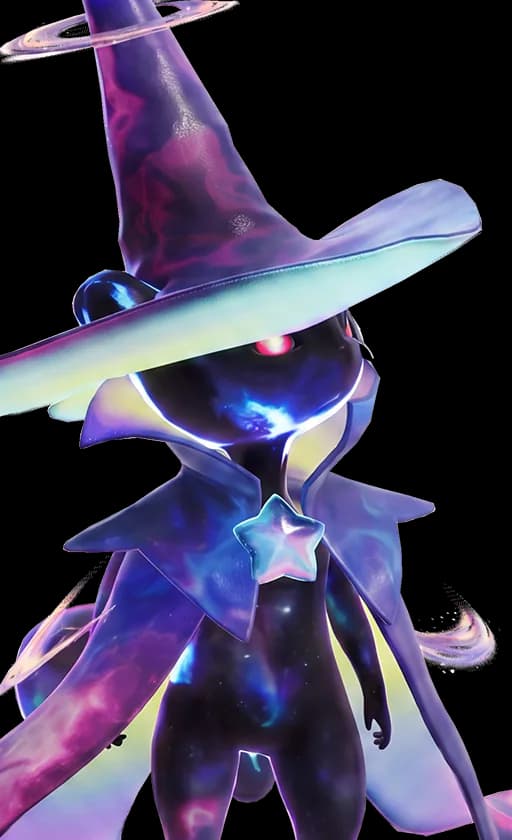
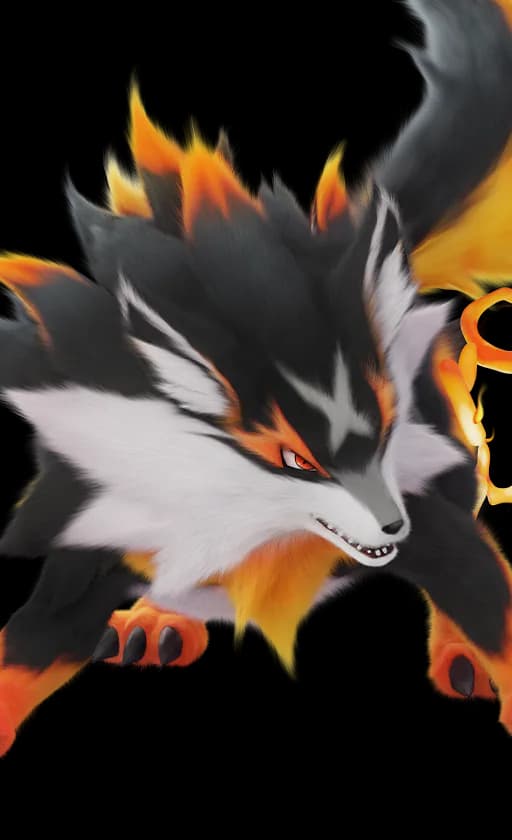
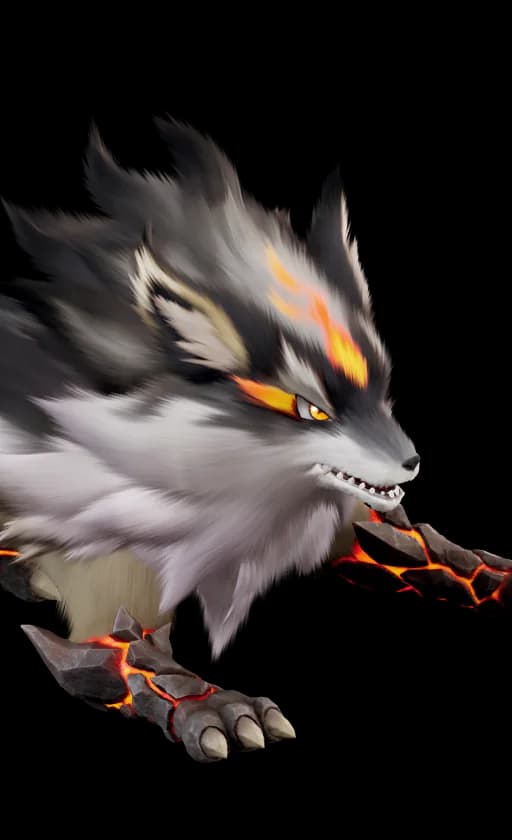
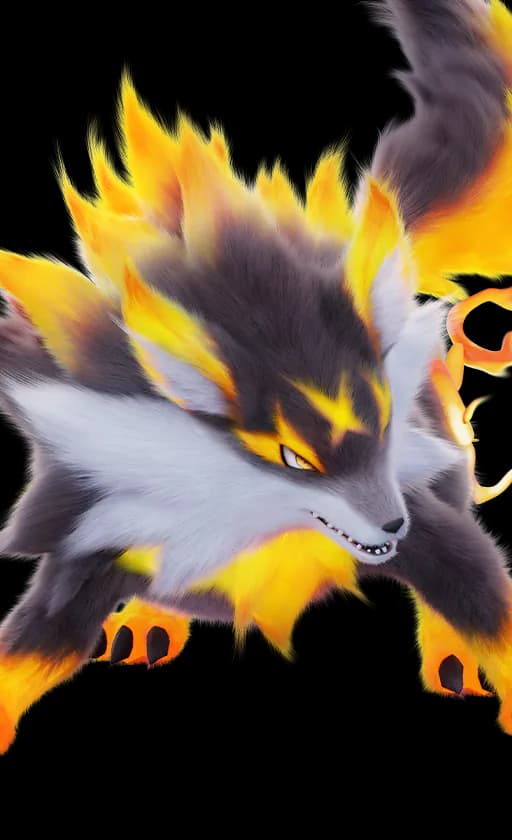
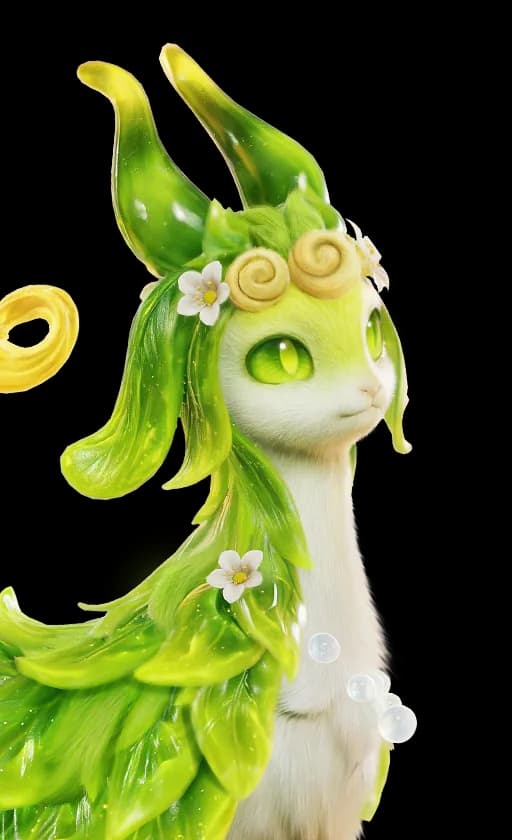
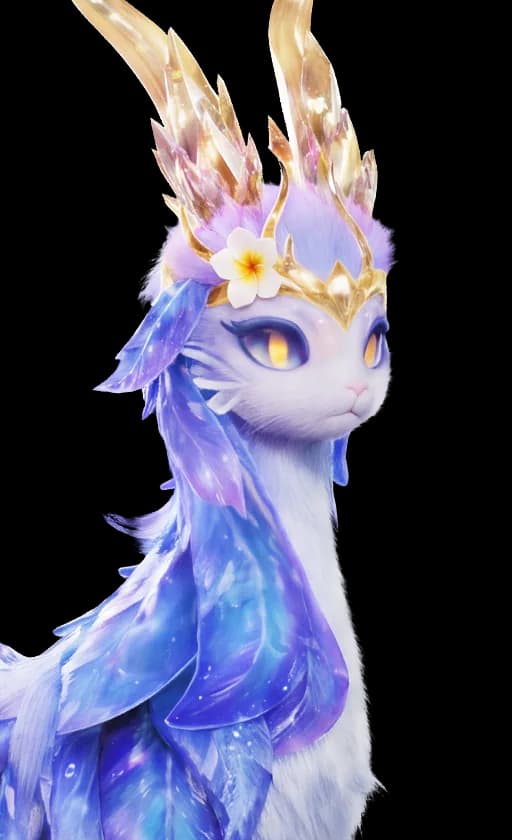
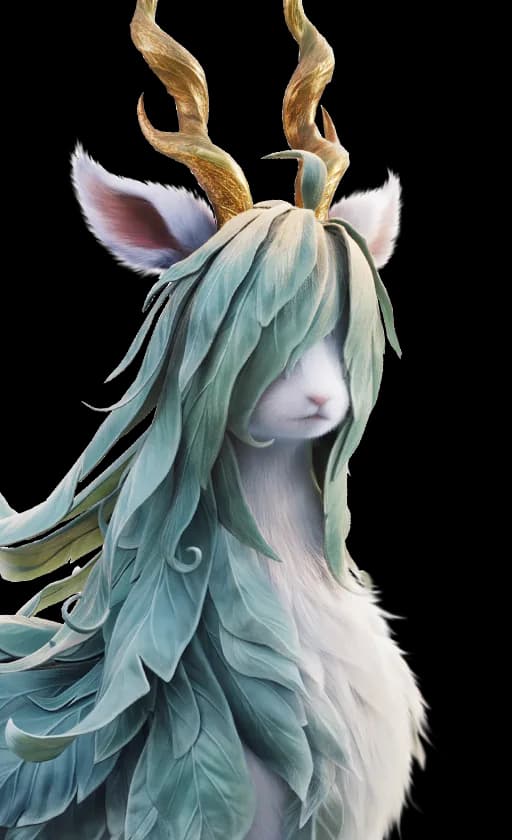
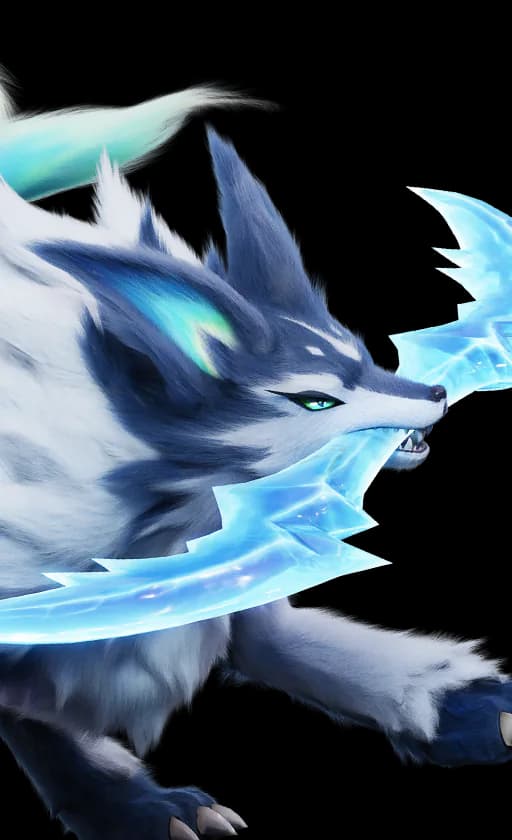
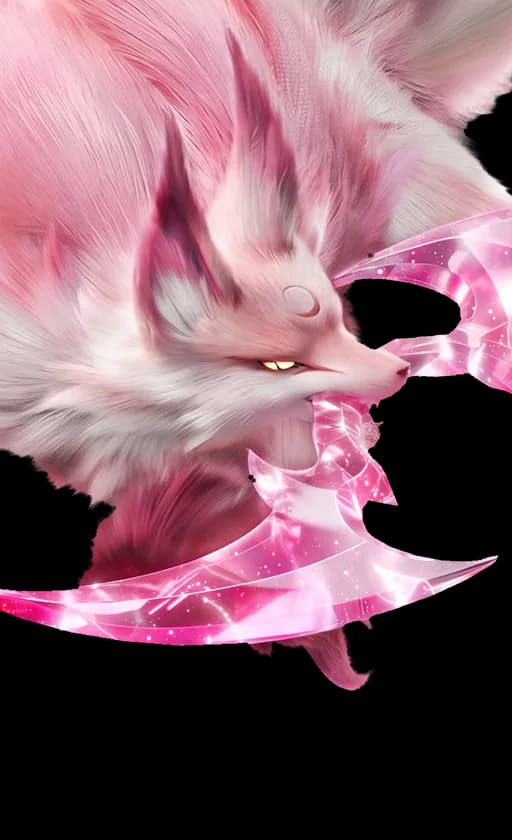
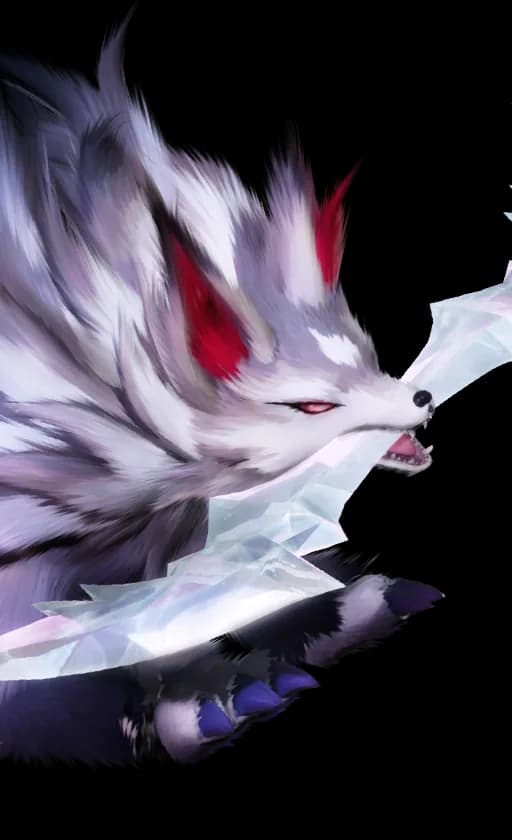
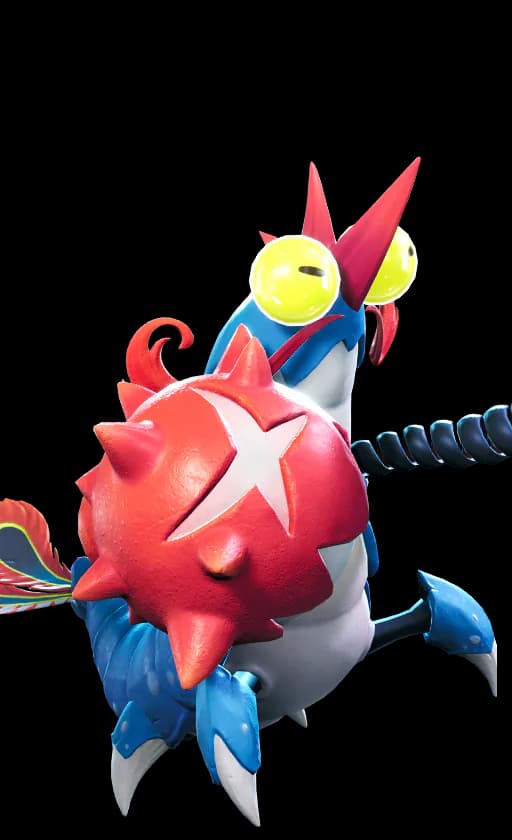
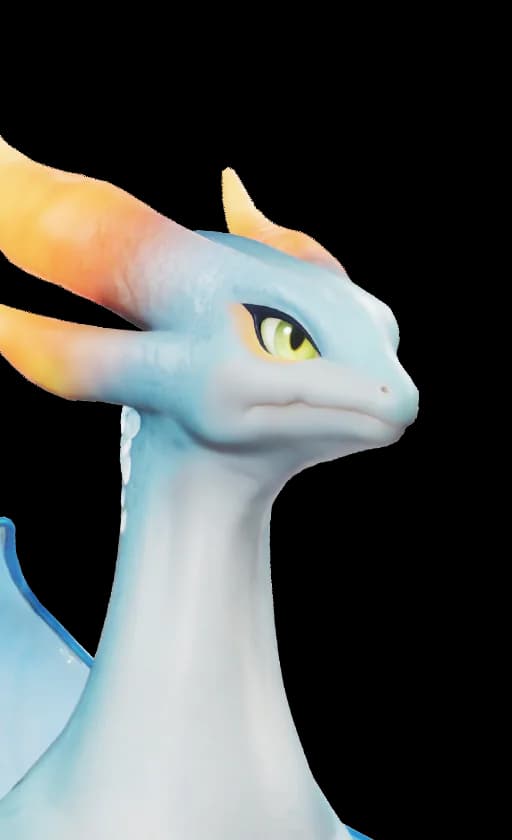
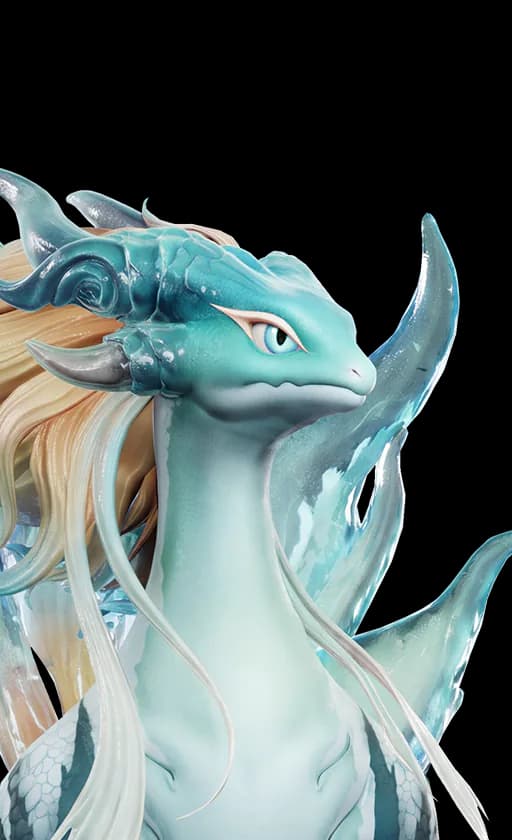
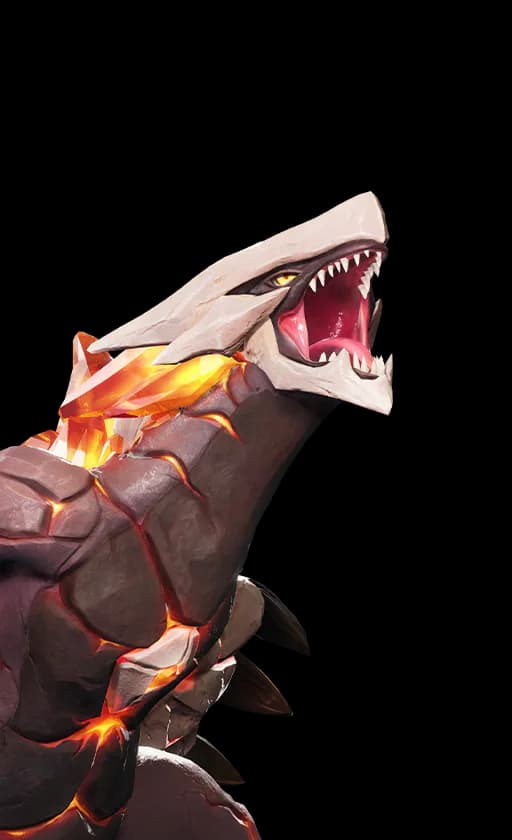
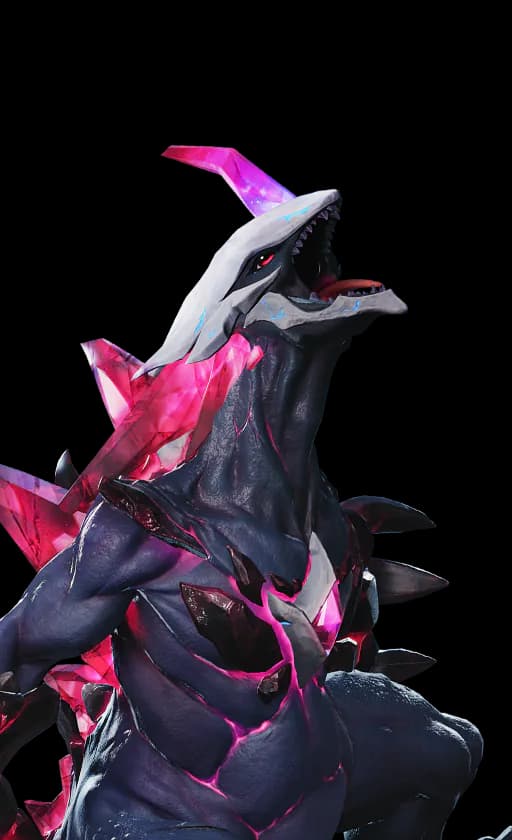
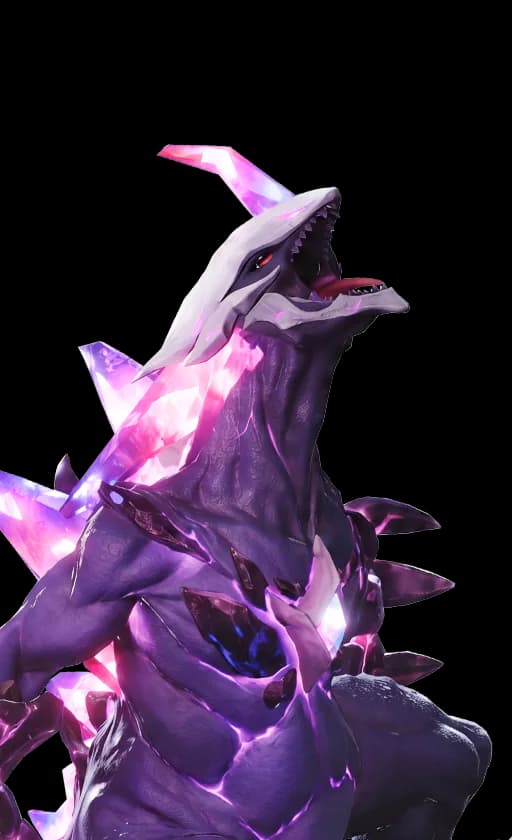
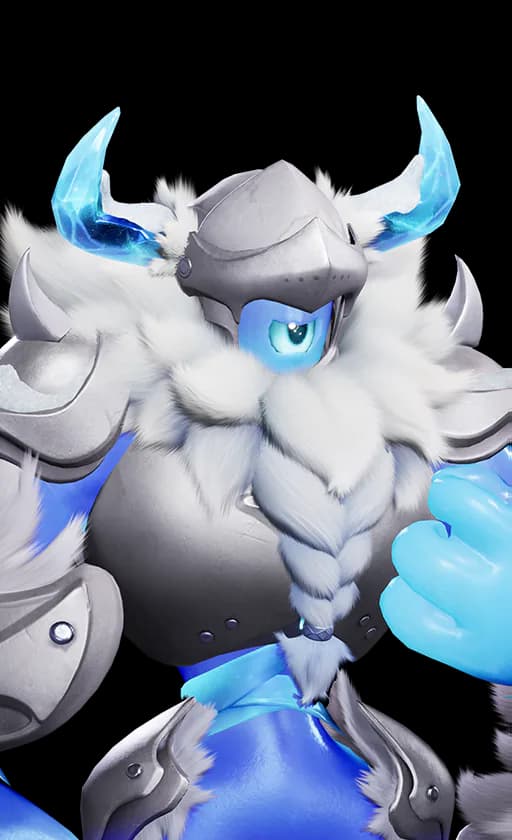
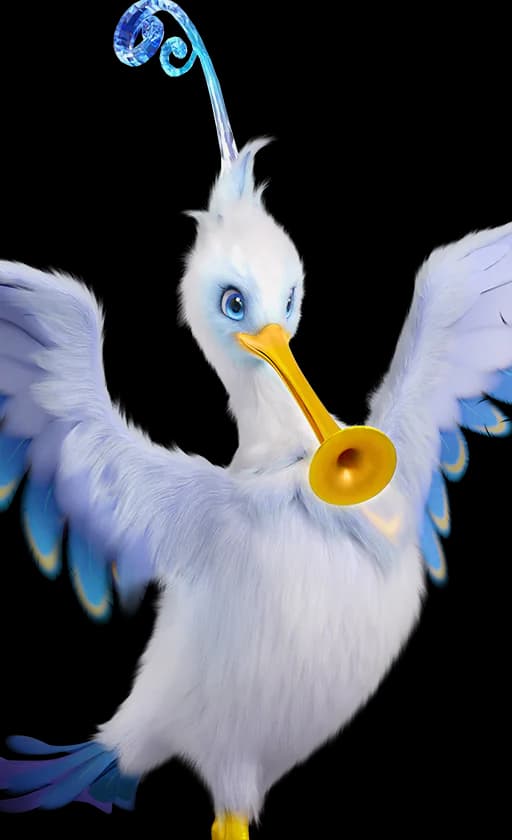
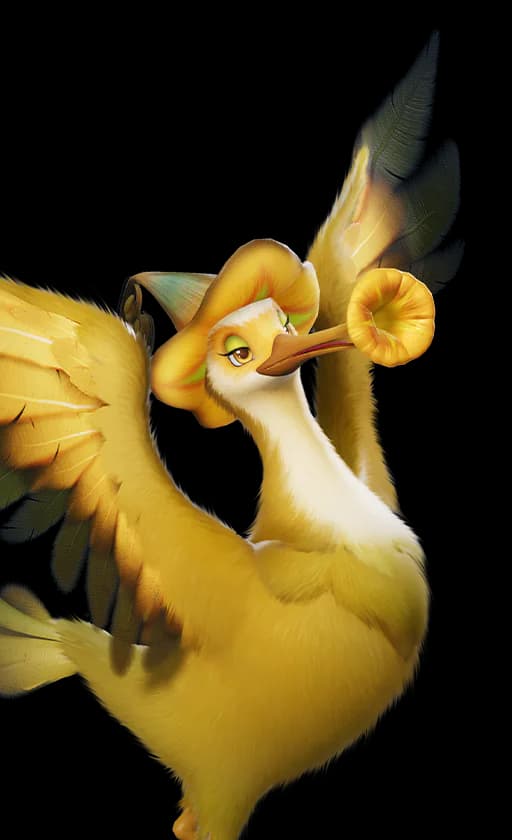
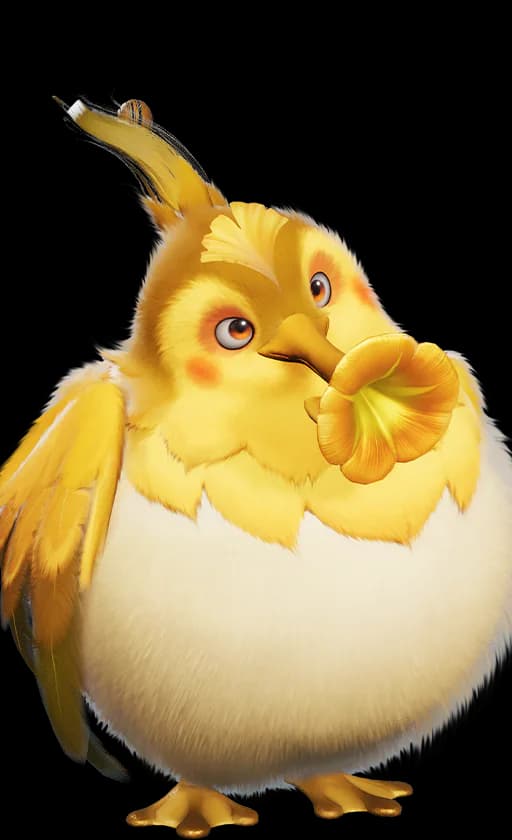
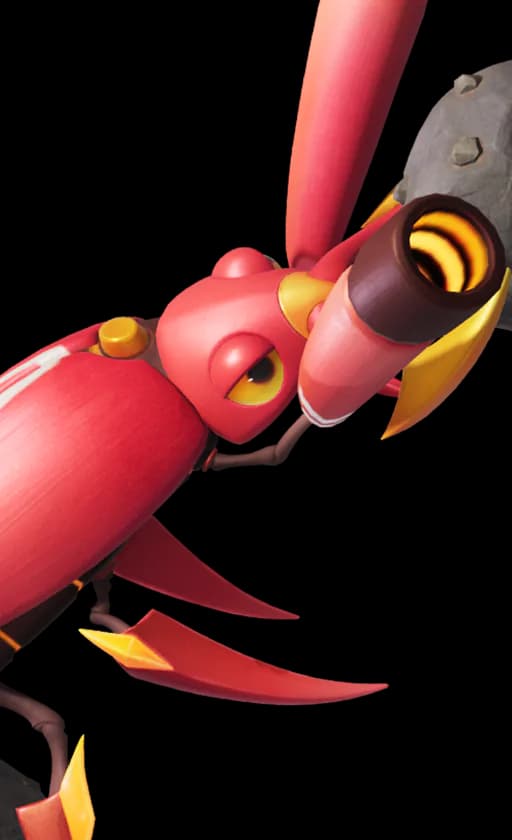
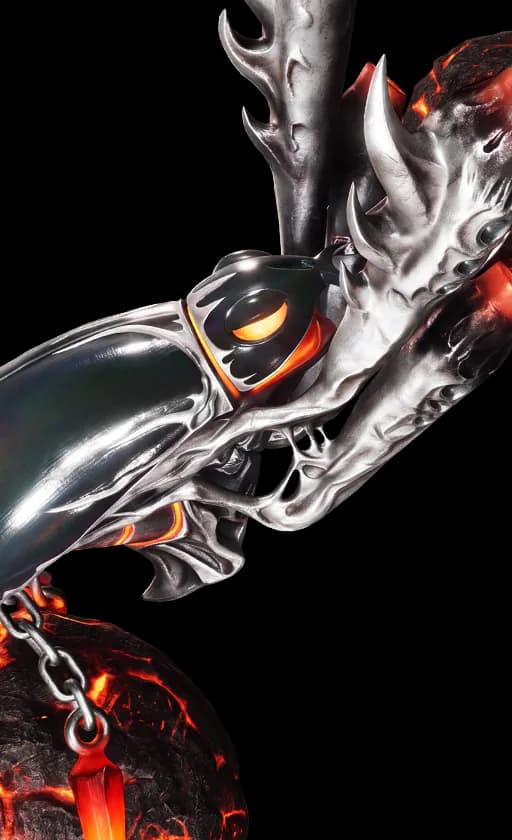
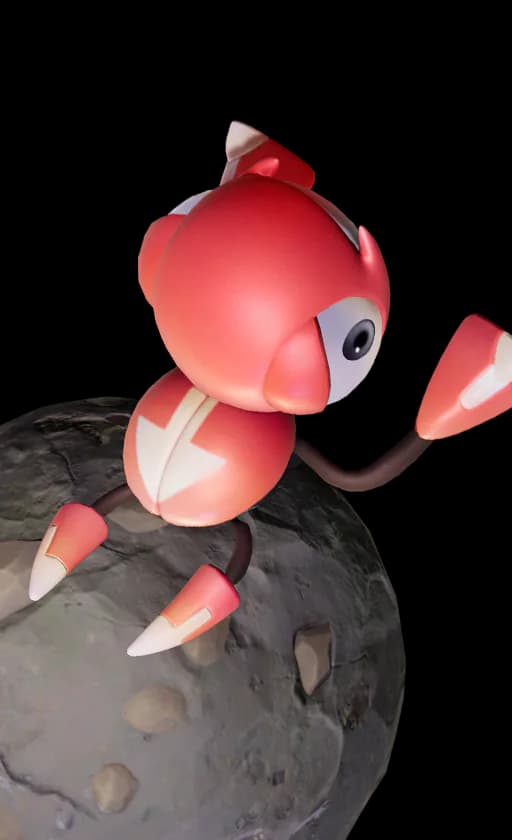
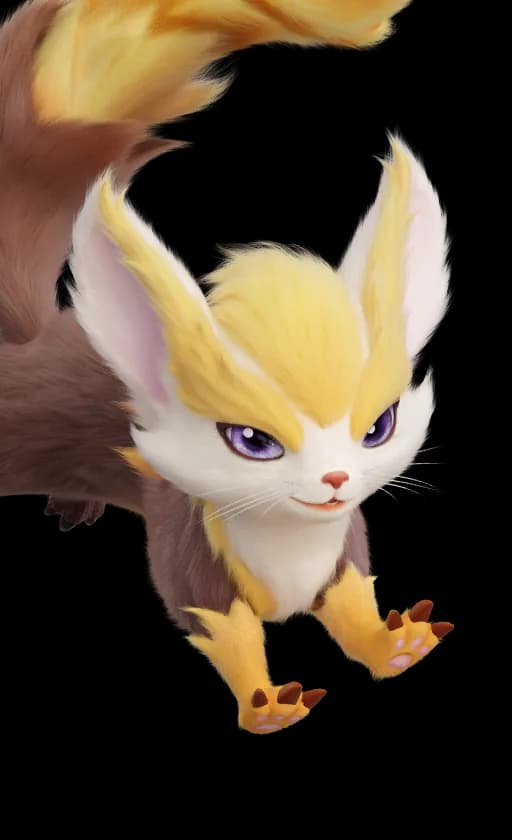
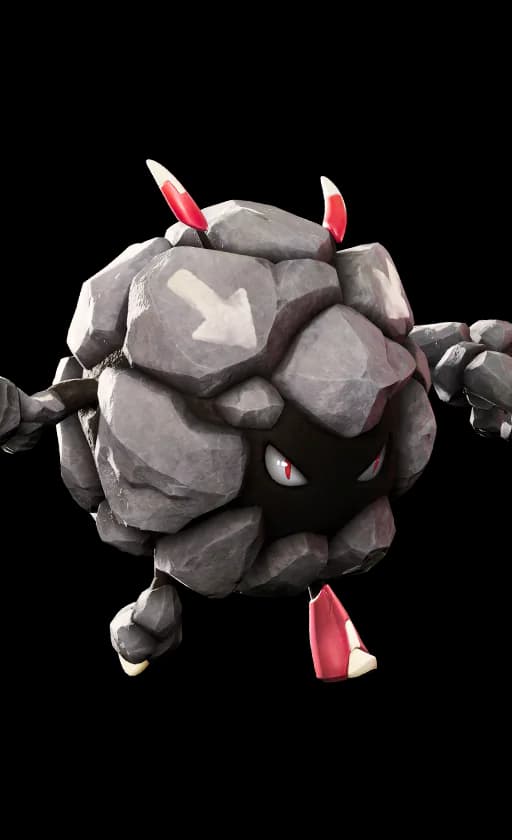
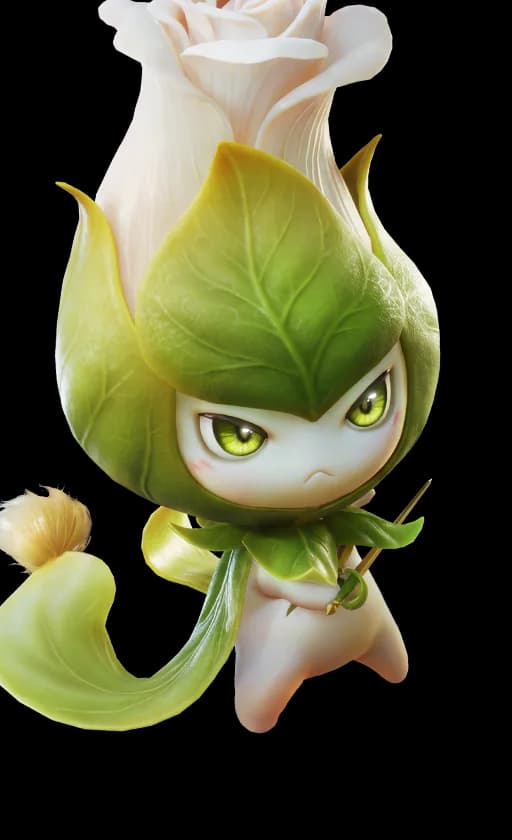
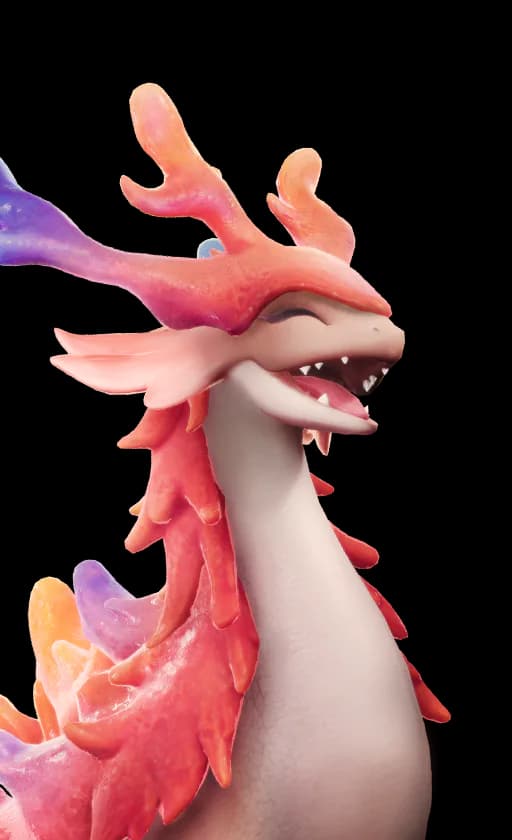
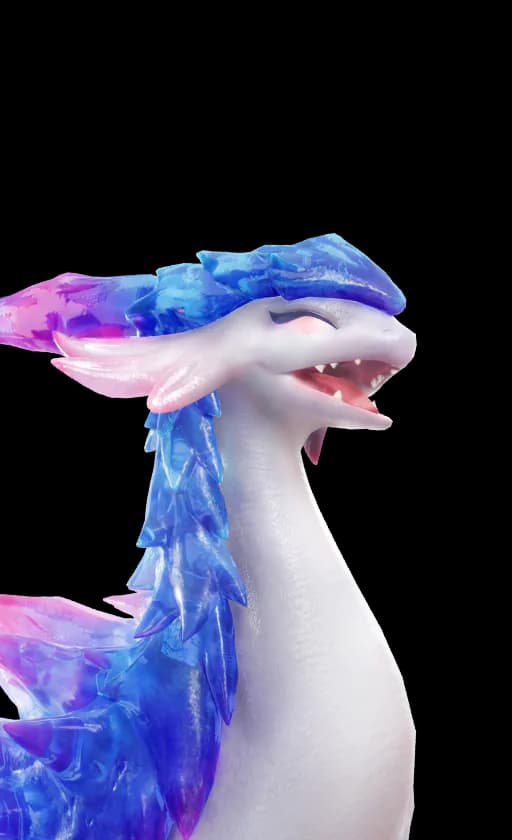
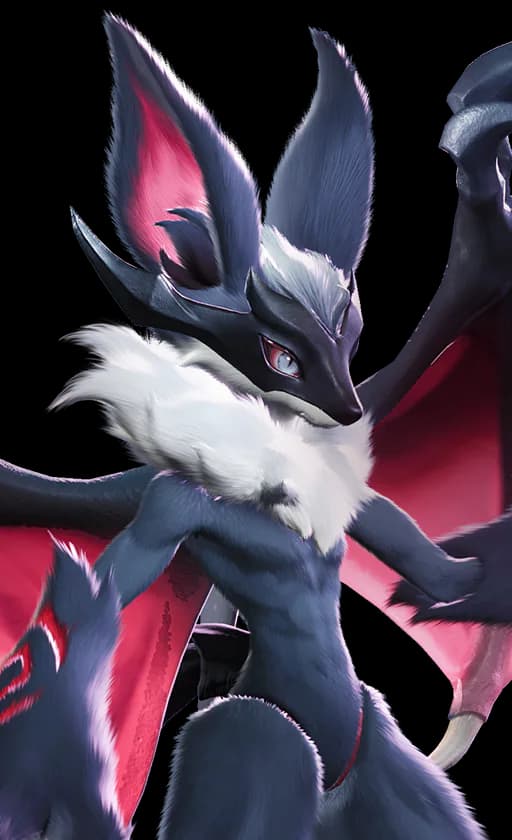
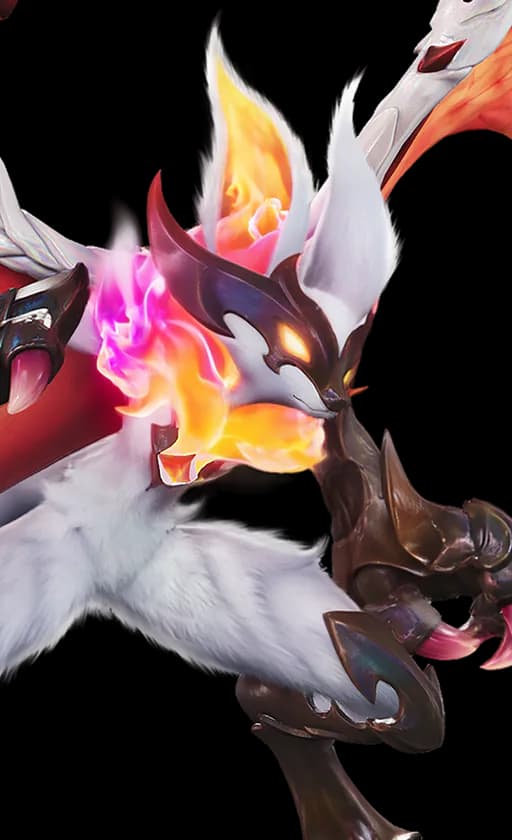
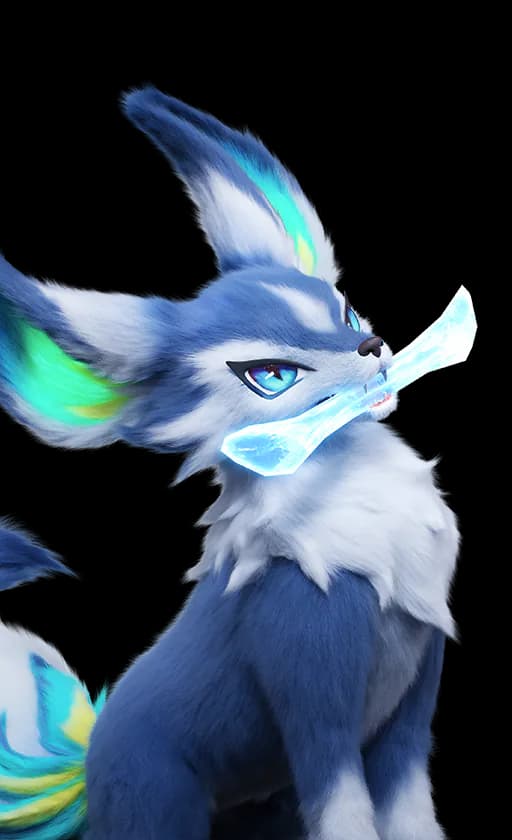
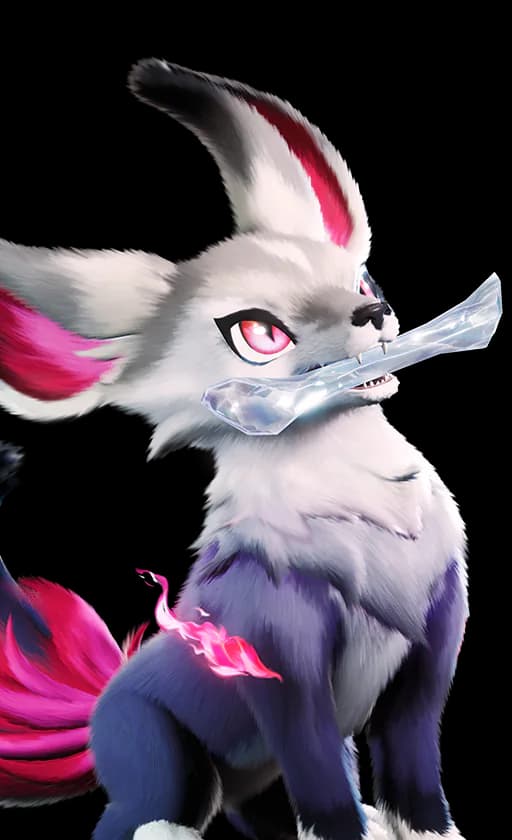
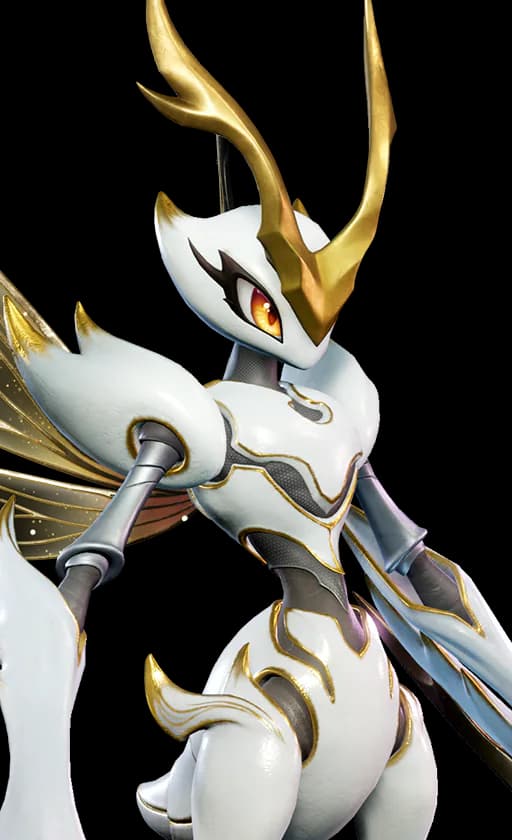
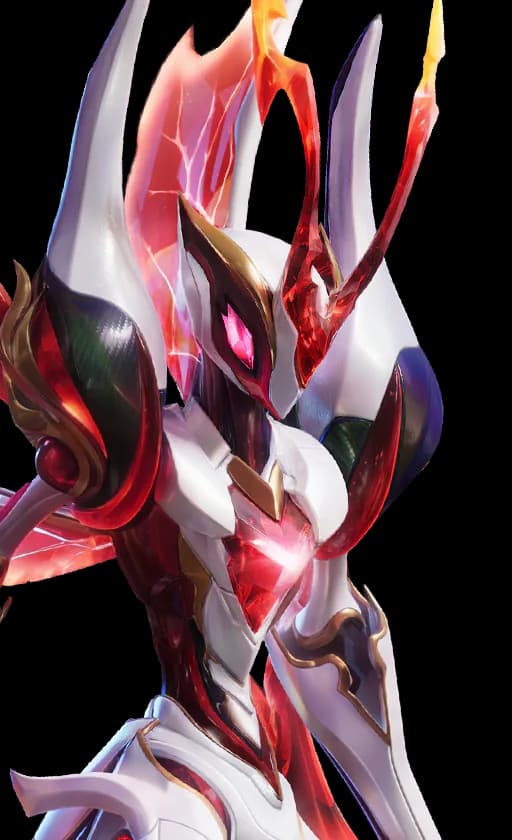
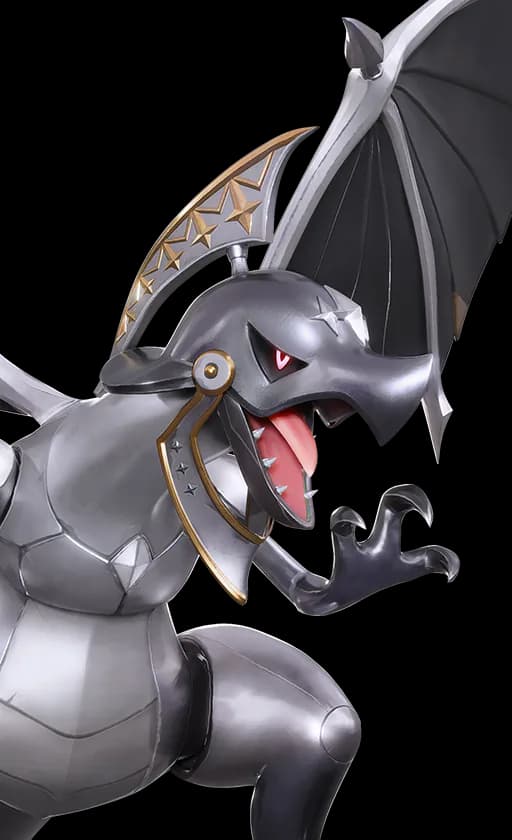
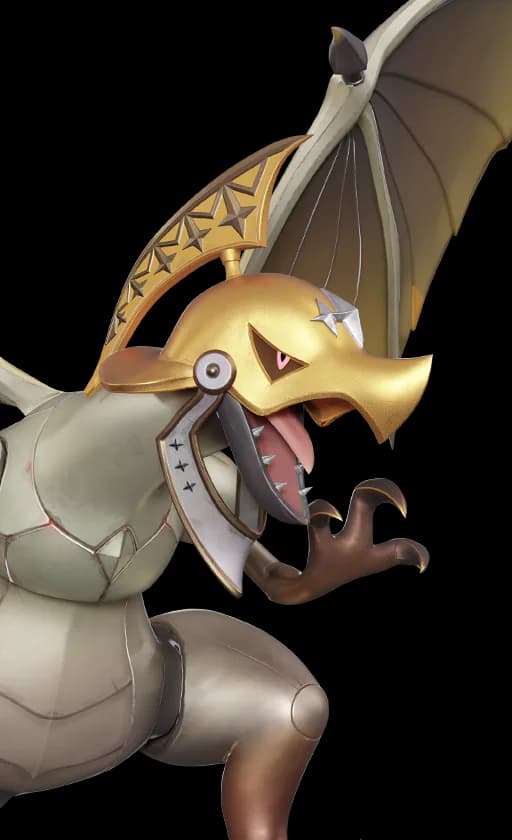
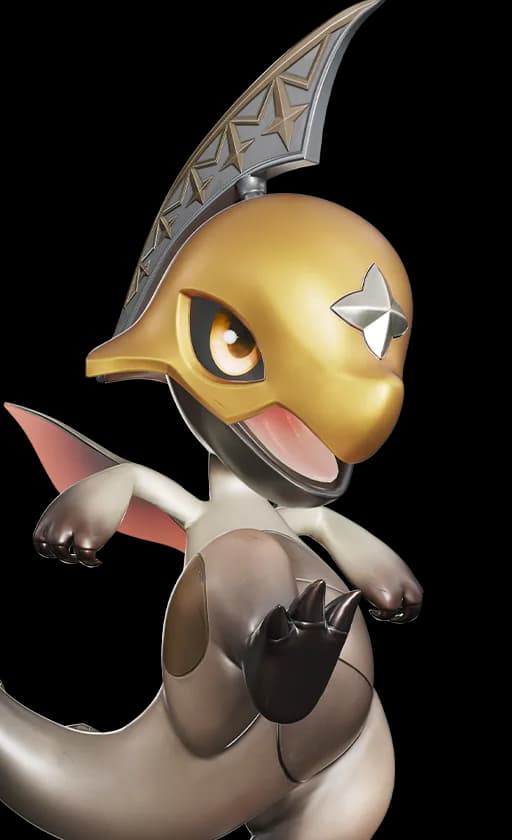
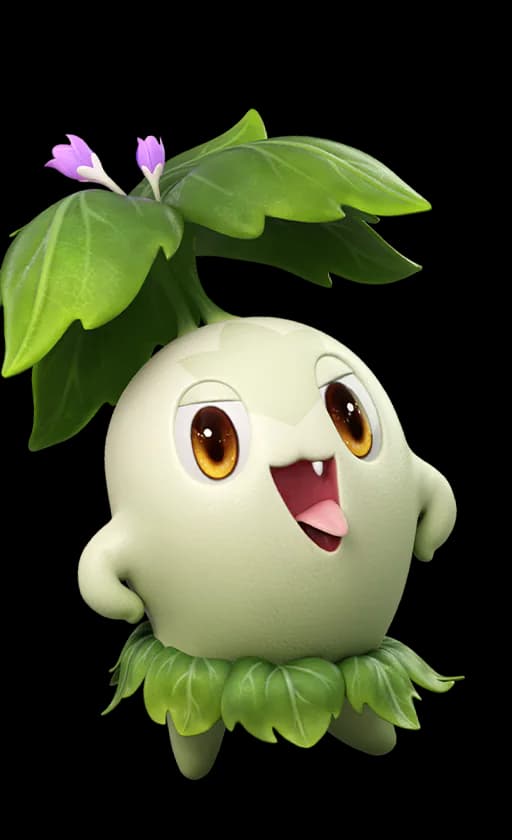
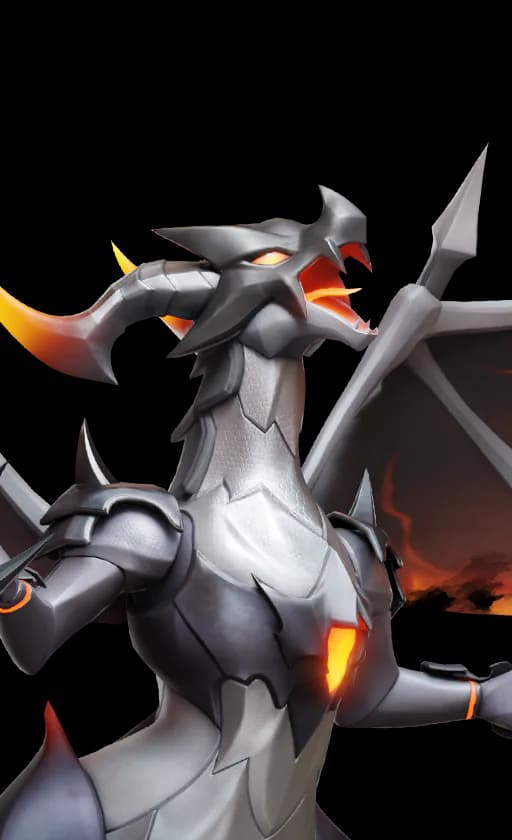
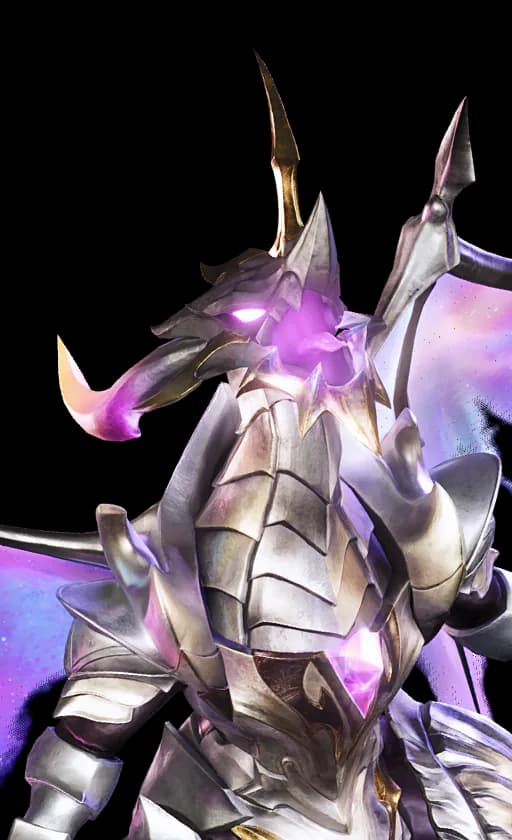
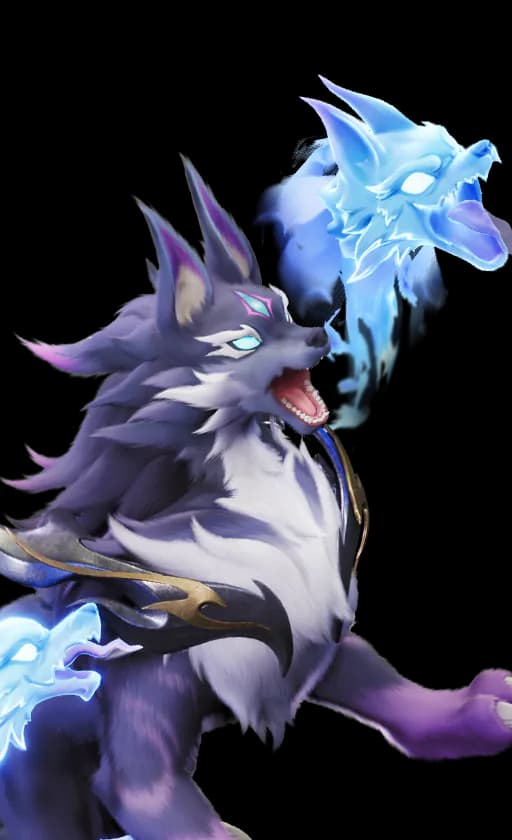
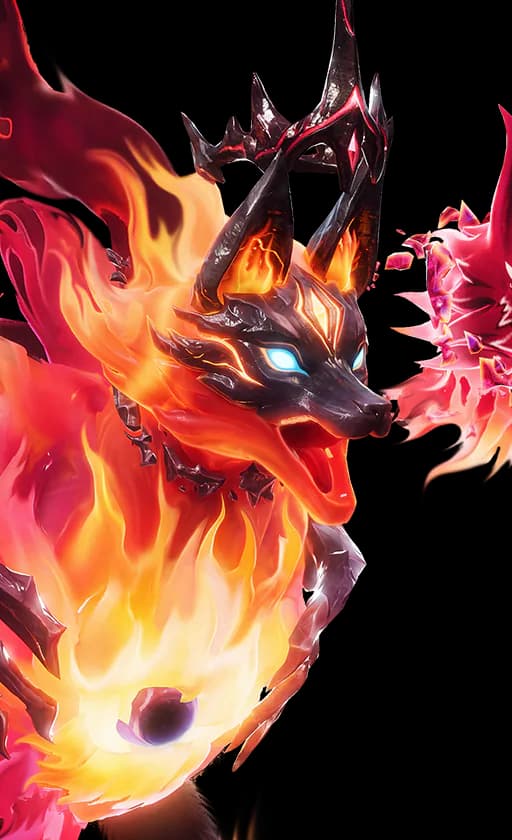
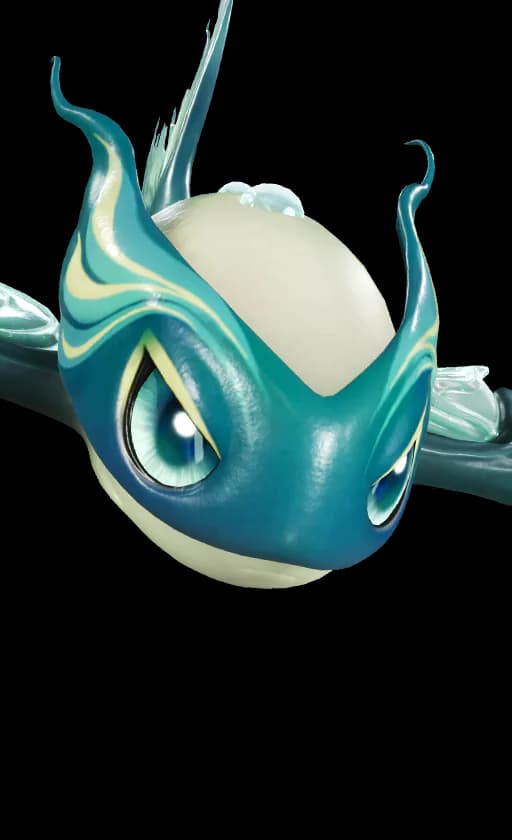
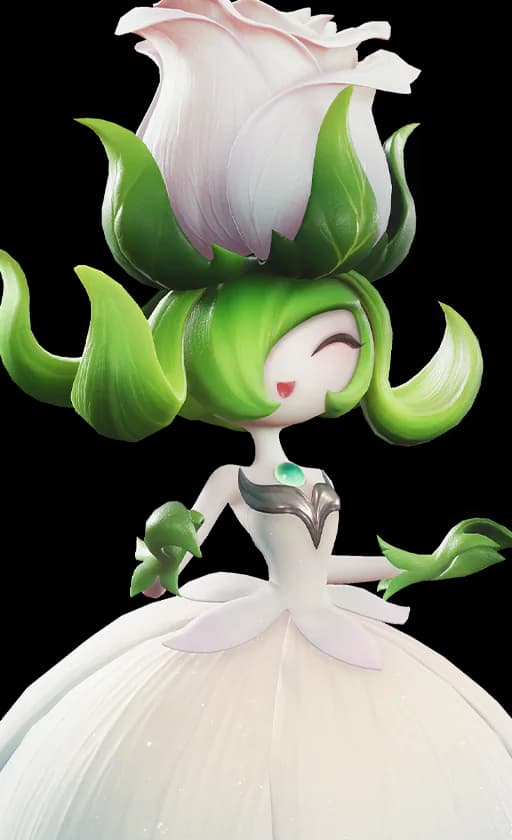
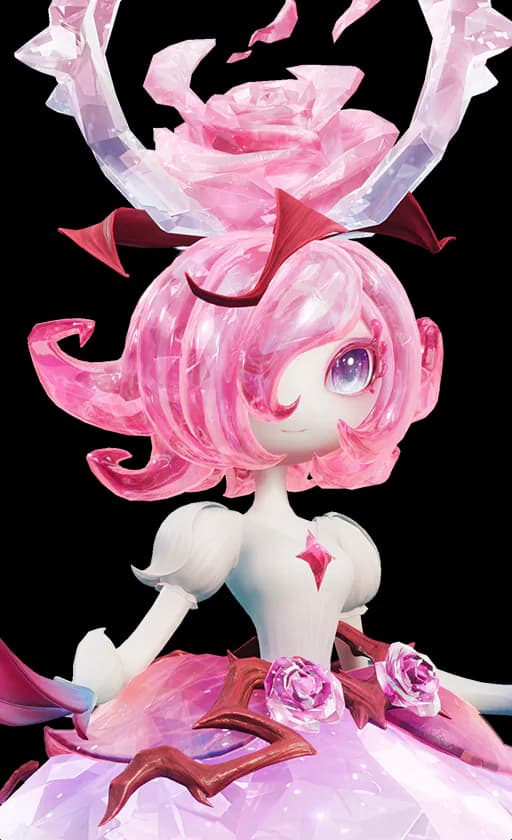
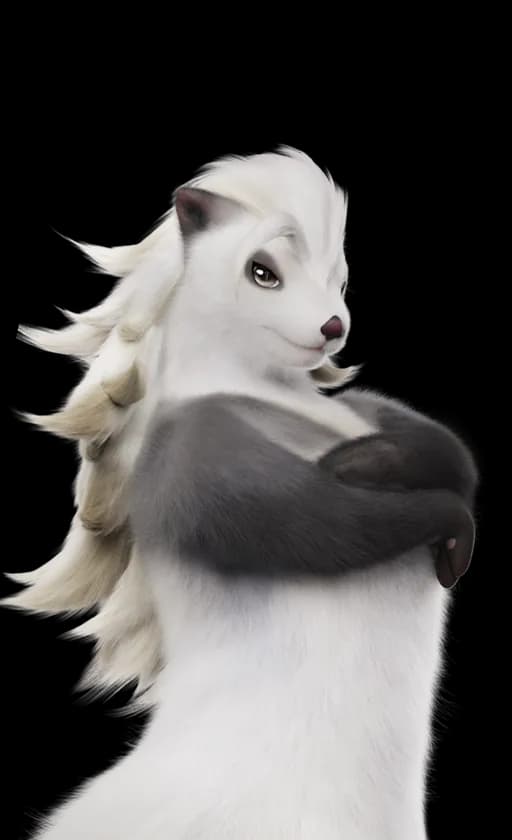
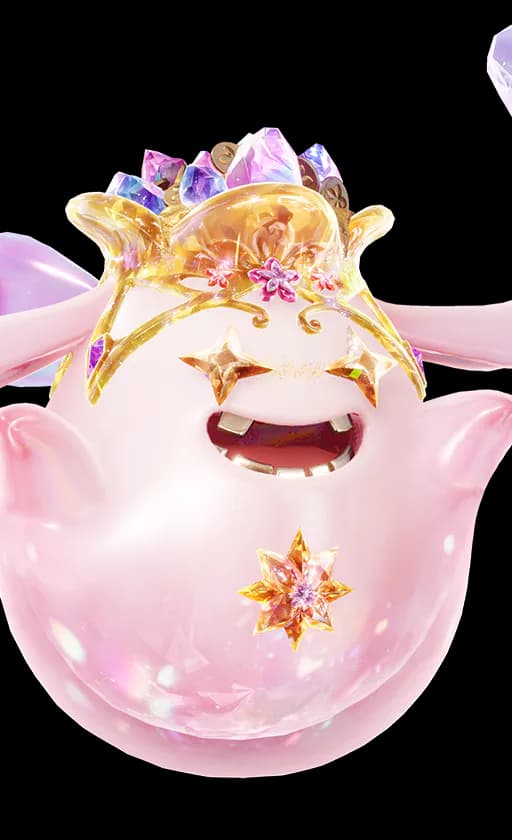
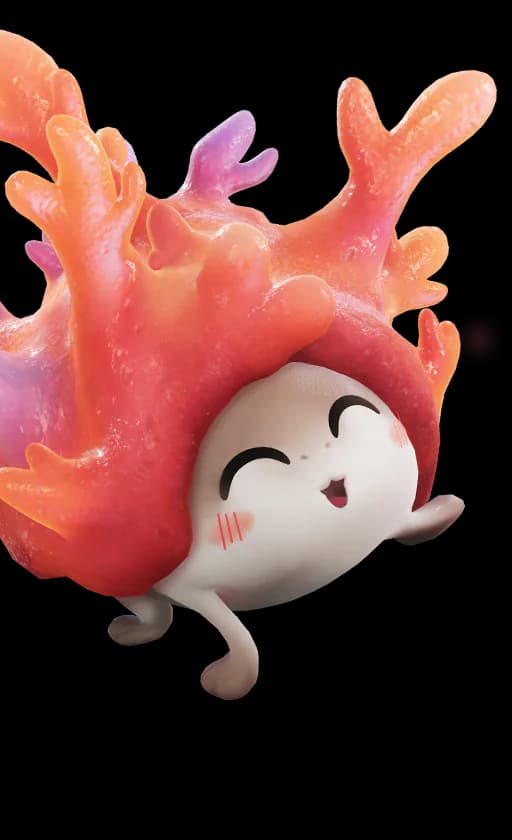
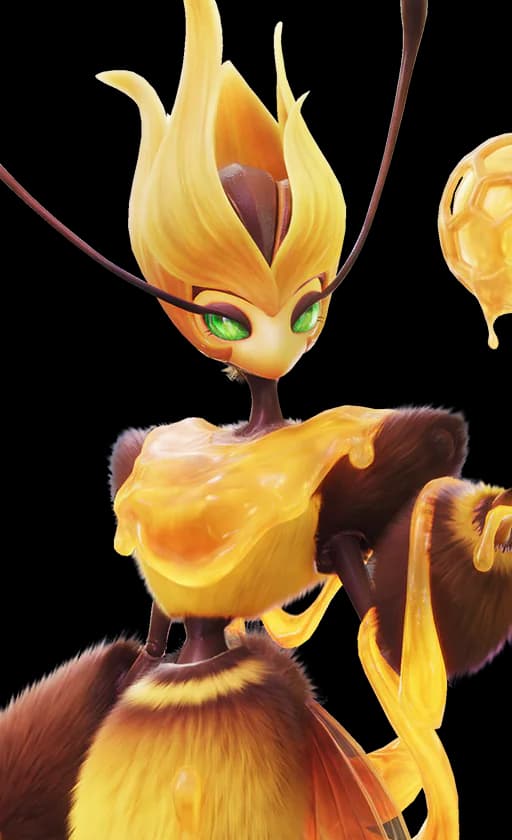
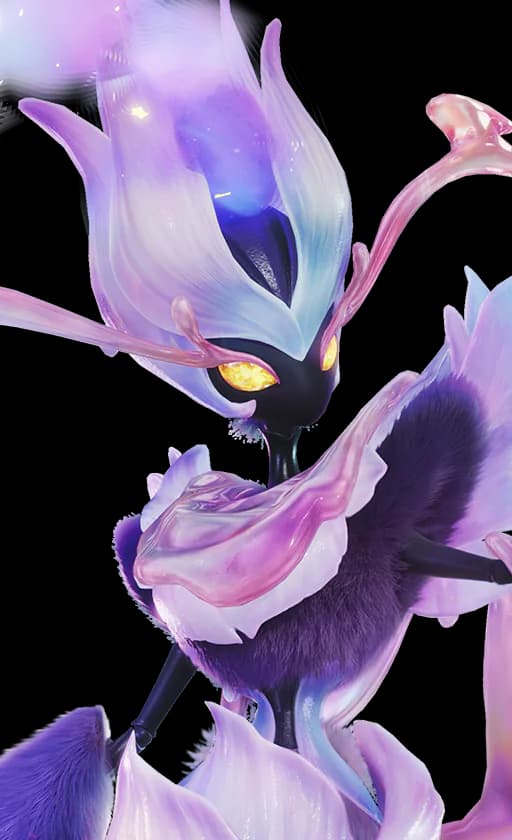
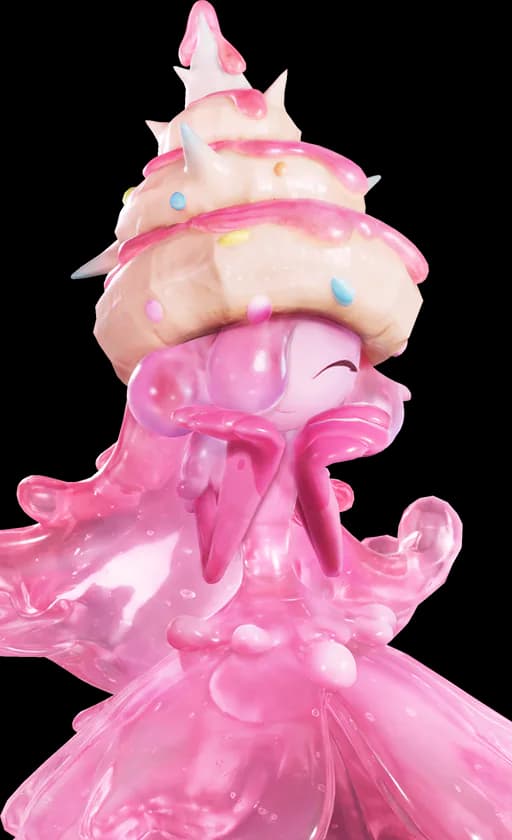
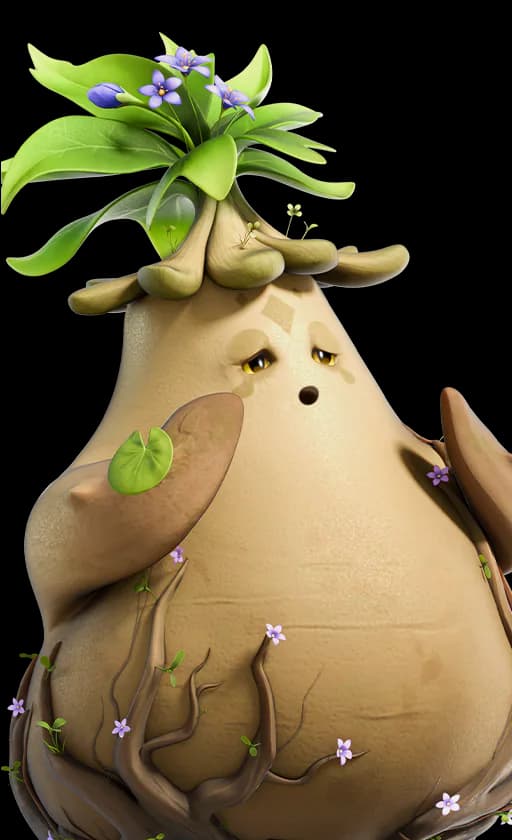
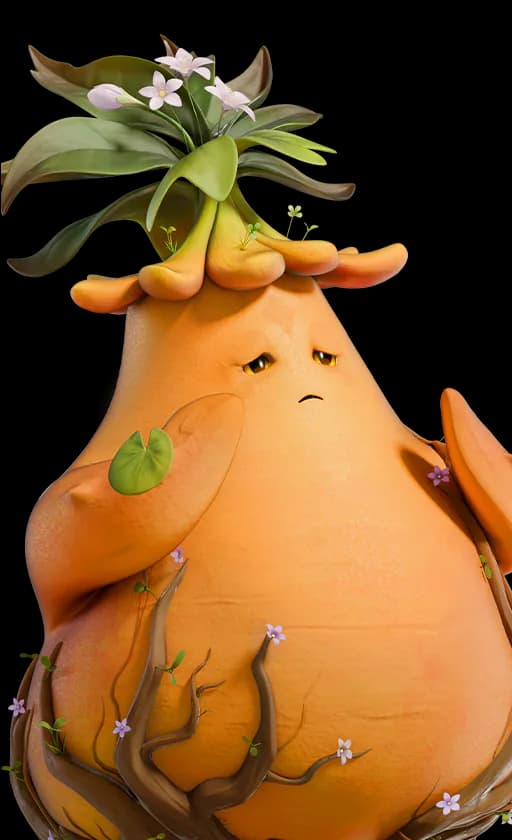
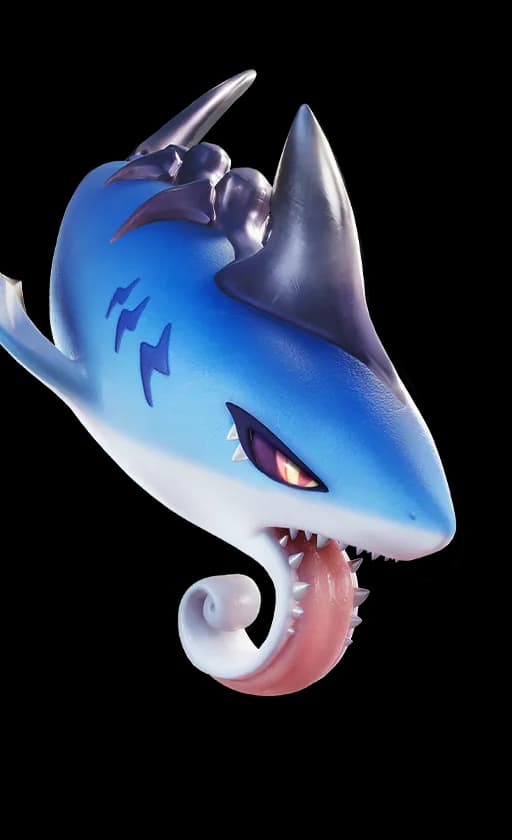
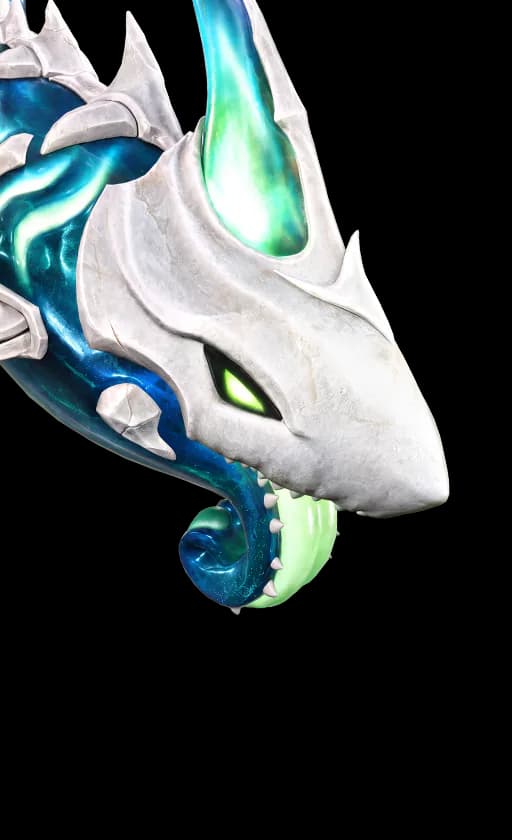
Explore 74 multi-form Aniimo, with the most varied species first. Select a thumbnail to see that form’s elements, stats and requirements. Browse the Aniilog for additional forms.

































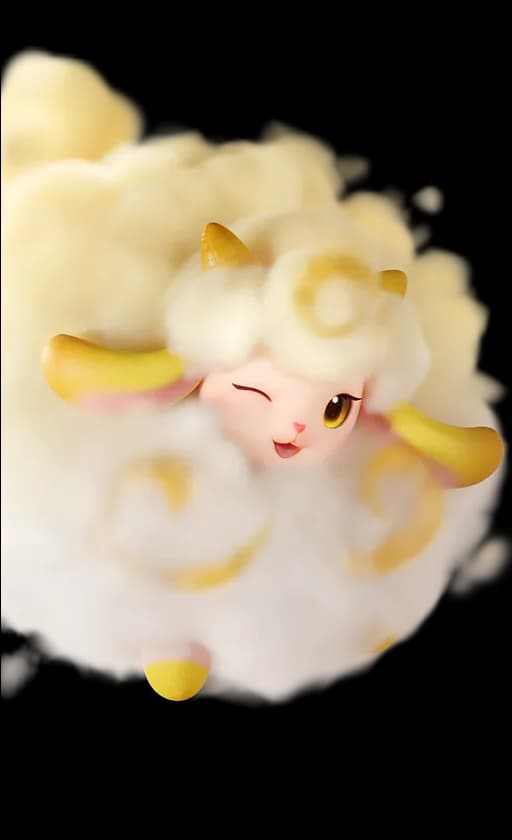

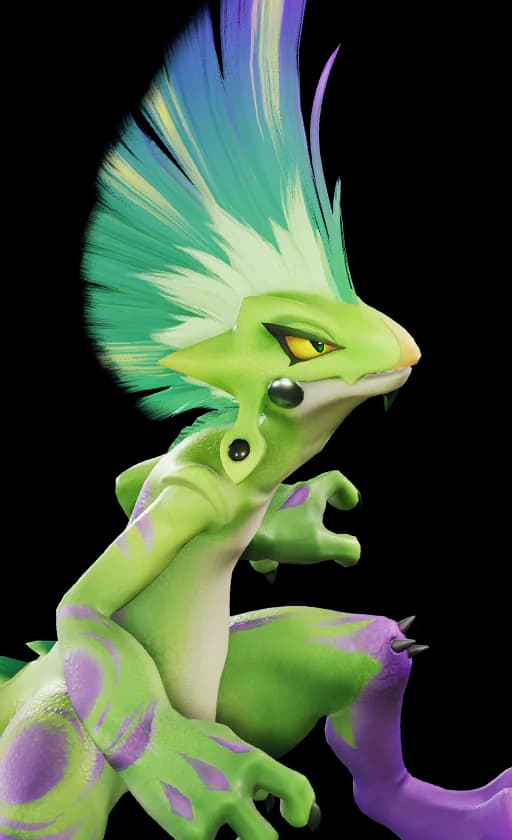
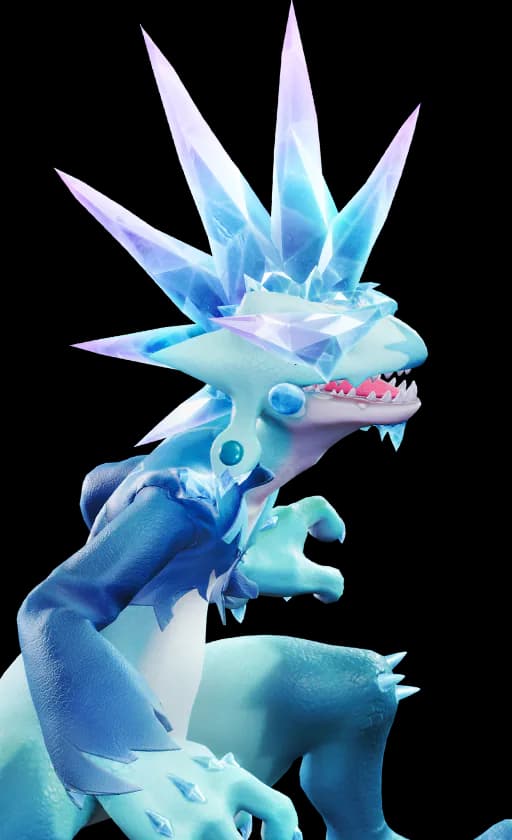
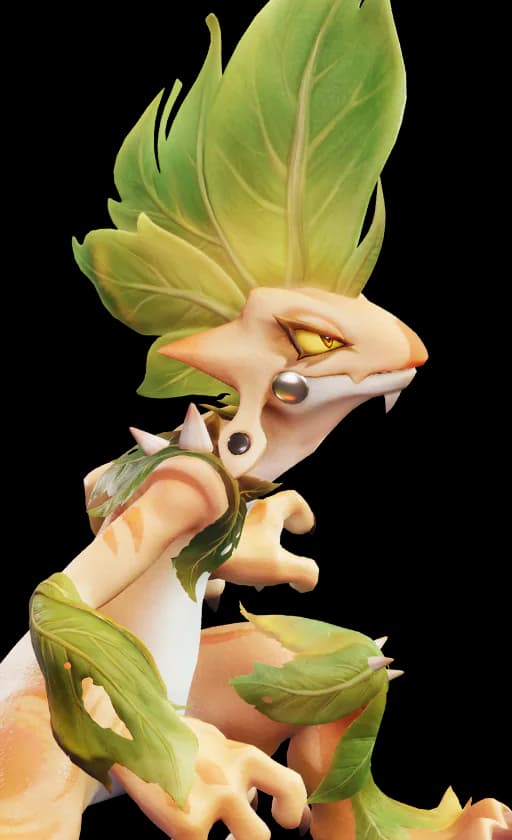











































































Frequently asked
What did “line” mean in this guide?
Older wording used “line” as our shorthand for one species and its forms. It was not an in-game morphology label. We now say “species” to avoid confusing this with an evolution line, which connects different species such as Iris and Irisal. See the evolution families guide for those chains.
How many regional forms are there in Aniimo?
This guide compares 74 species and 225 forms: 74 Basic forms and 151 alternatives across 20 alternate form types. Browse the Aniilog for additional forms.
Which Aniimo species change type with their regional form?
54 of the 74 multi-form species in the combined current and retained roster have a form with different elements. The distribution chart and each form's link show which records contribute.
Are Prismana and Umbrabow forms regional forms?
The guide lists 35 Prismana forms and 12 Umbrabow forms. Check the form explanations above and each form-changing orb’s target list before preparing a transformation.
Do Iris and Irisal ever change element?
No. Both species carry seven forms, the most of any Aniimo, and every one of them is Grass. They are the two exceptions at the top of the form-count list; every other species with five or more forms shifts element at least once.